Oliver SchunnCreative Technologist
02 — VECTRA

VECTRA.

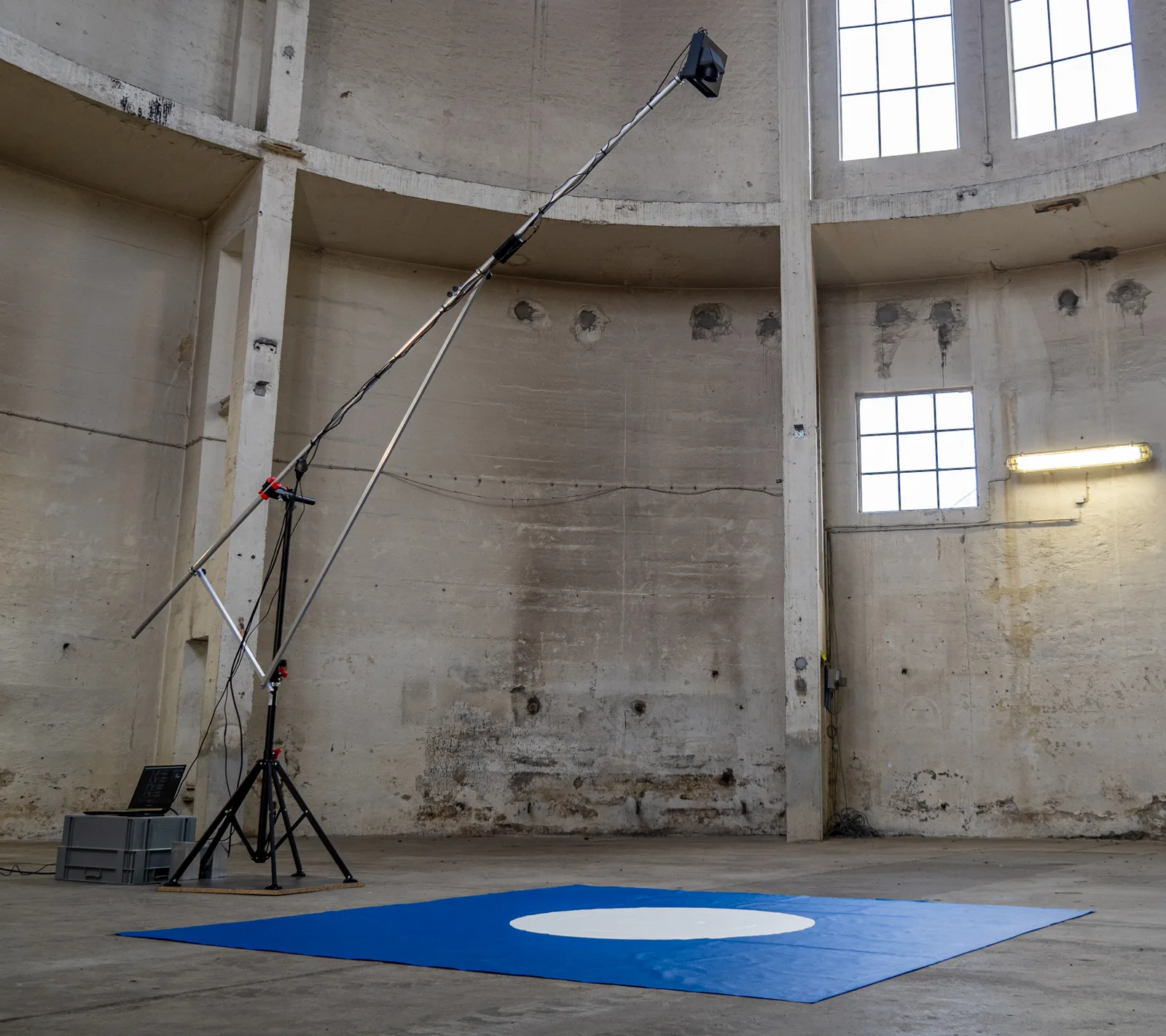
A pop-up arcade for four. Projector and camera hang from one stand above a round play field – you steer just by where you stand. No controller, no manual, set up and packed away in minutes.
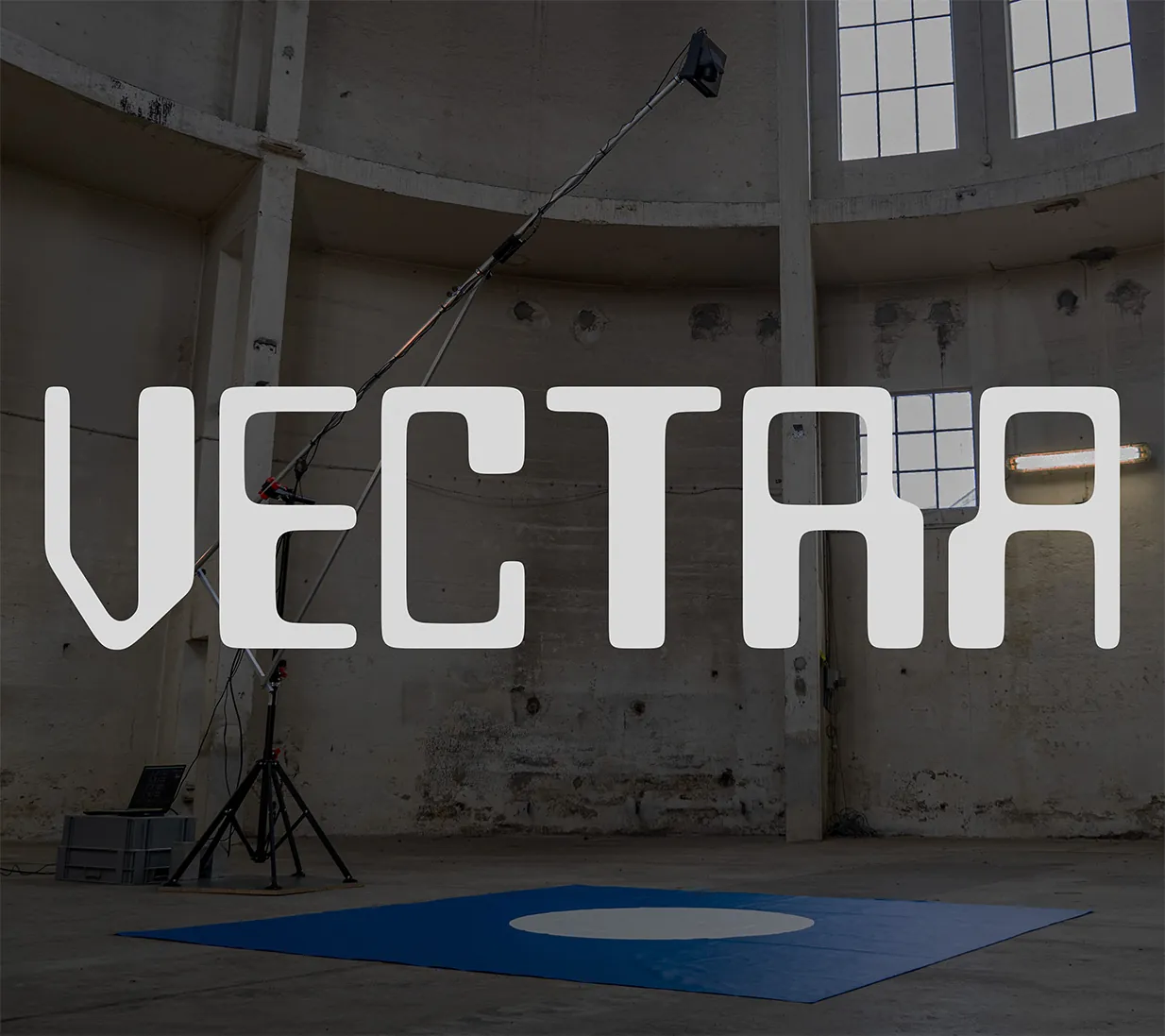
VECTRA lettering over the rig: a tall stand with projector and camera above a blue mat with a round white play field, in an industrial hall
Type
Bachelor thesis, Interactive Media
Place · time
TH Augsburg, Faculty of Design · Werkschau January 2025
Role
Everything: concept, games, tracking, sound, rig
Tools
JavaScript · TouchDesigner · Node.js/OSC · 3D-Druck/3D printing

Supervised by Prof. Andreas Muxel and Prof. Dr. Thomas Rist. Photos: Oliver Schunn. Video: Bastian Rögele.


Idea

Play without learning it.

Bringing computer vision and games together: a multiplayer experience anyone gets right away. The play field sits between the players so nobody blocks the projection – a circle that brings everyone to the table, just on the floor.

Thought of like a pop-up store: quickly set up at fairs or in public spaces, where people join in by chance.


Three games, one menu

Arcade classics, made round.

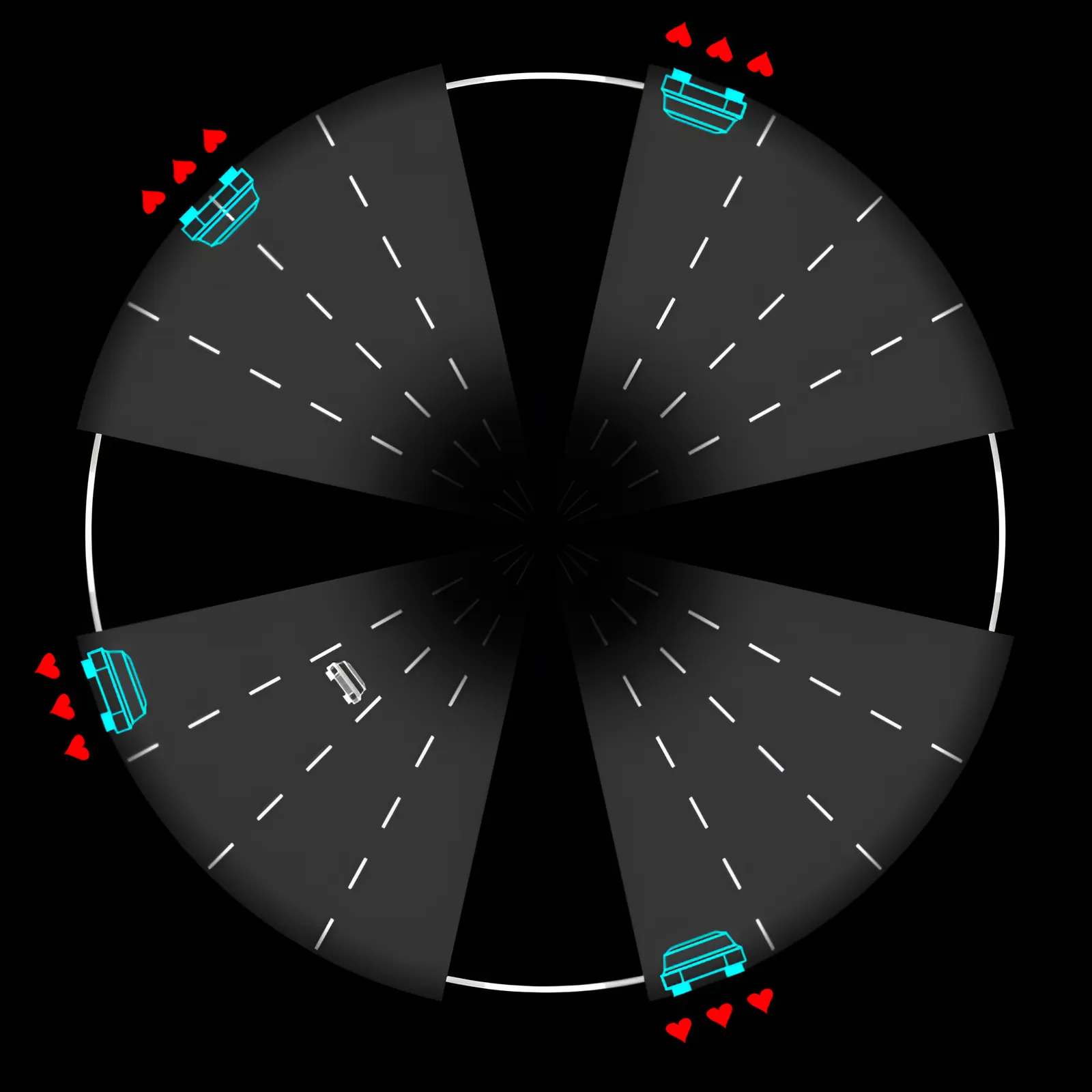
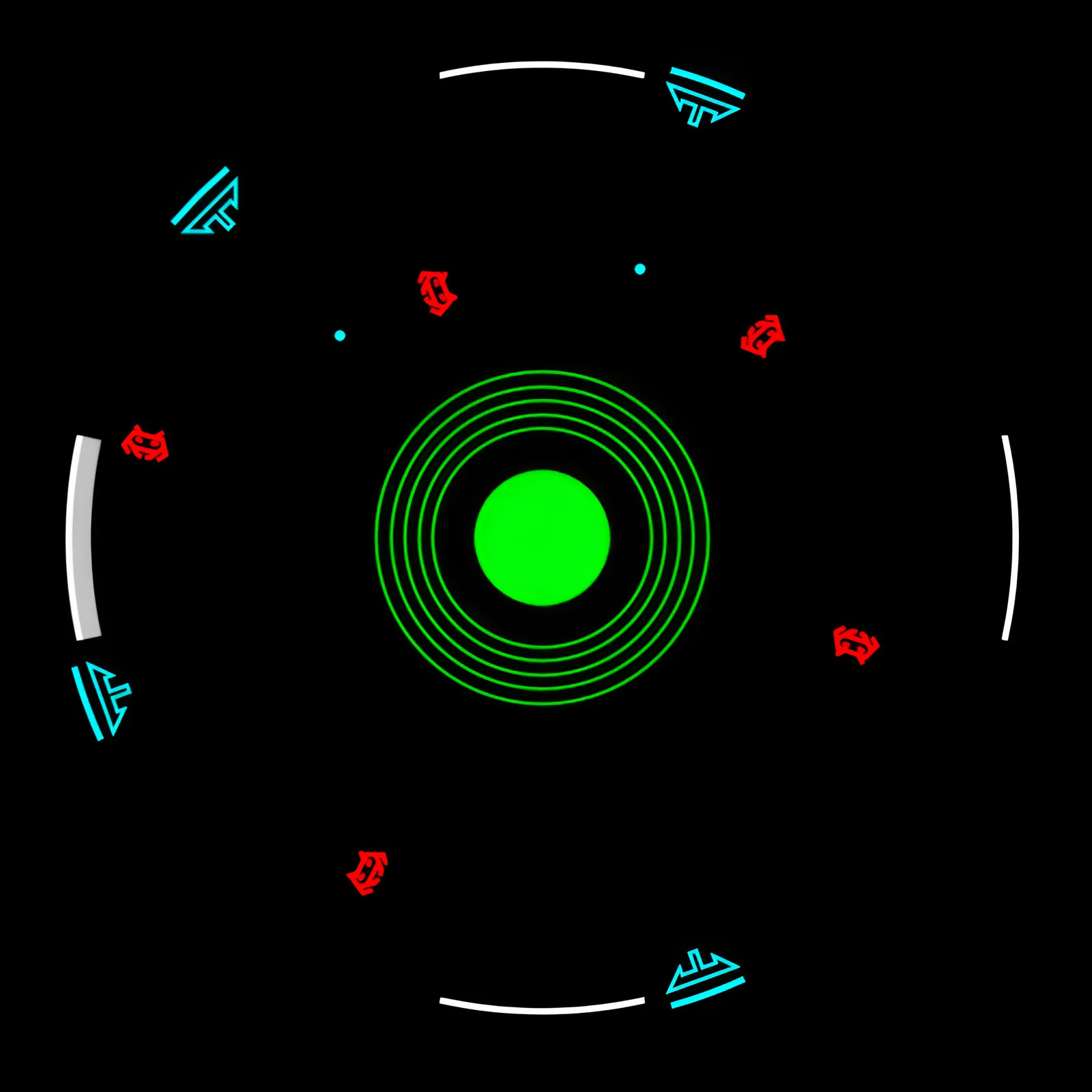
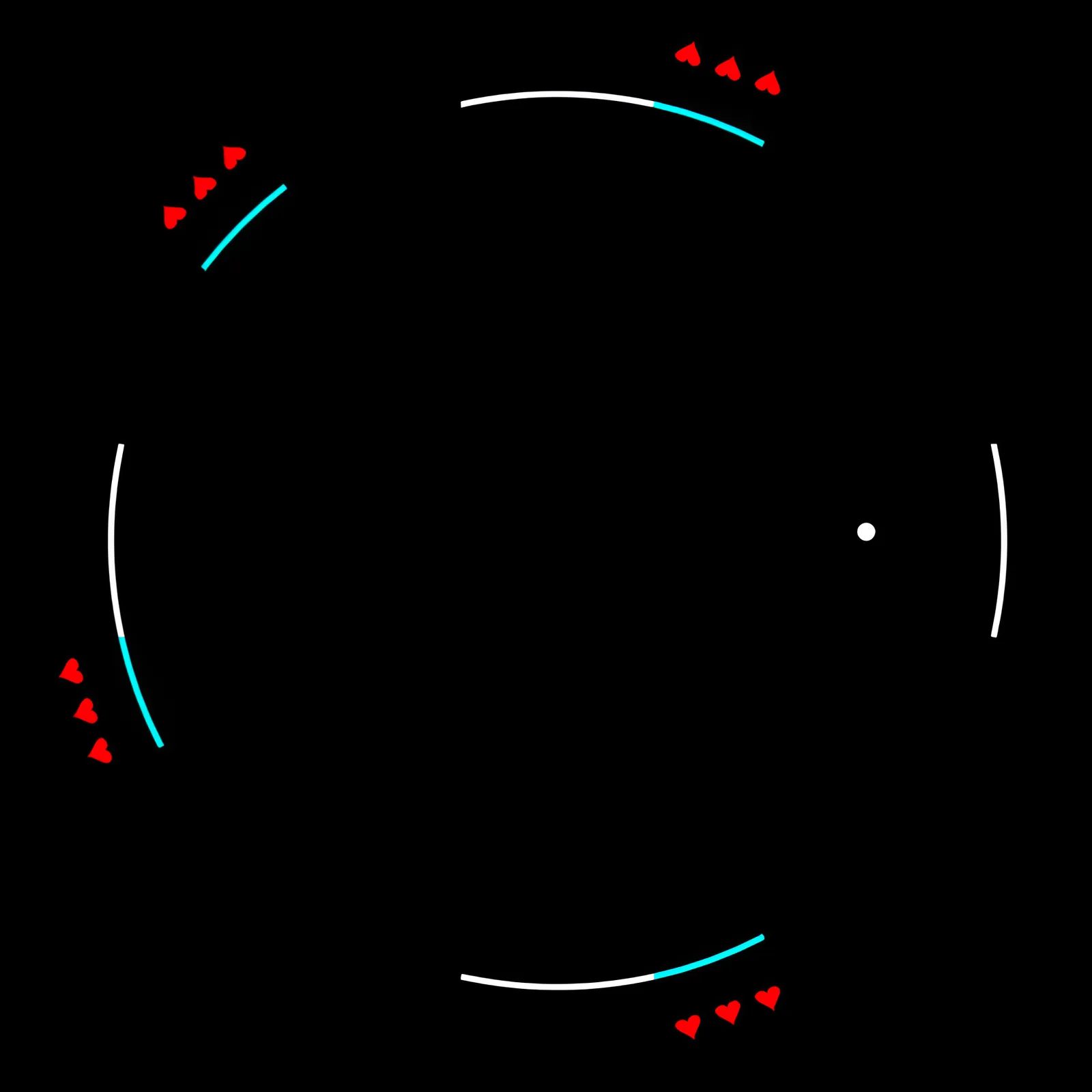
Three games after 1970s arcade titles, each for four players on a circle. Cyan is you, red are your lives.
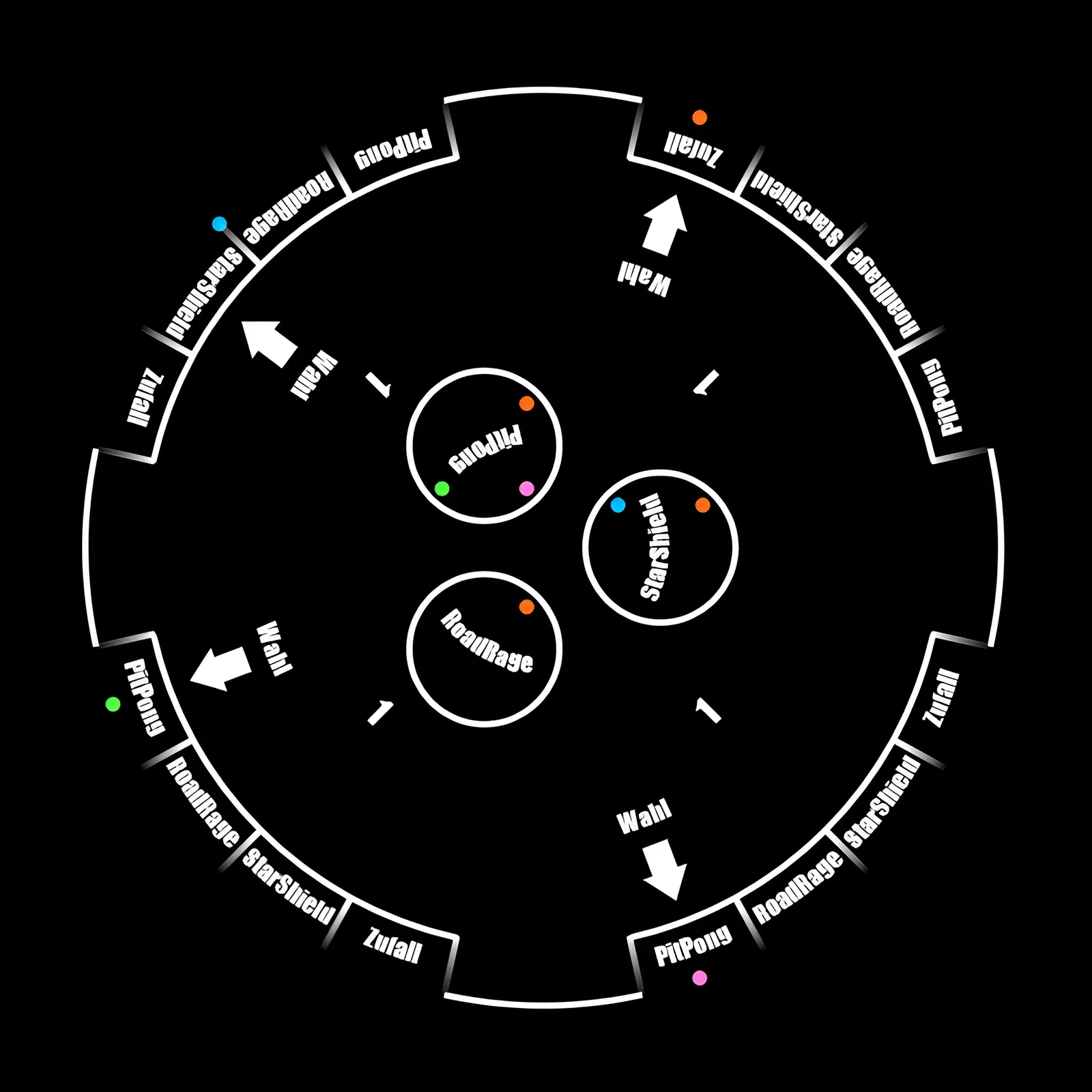
VECTRA menu: a ring with the game names and voting arrows for four players
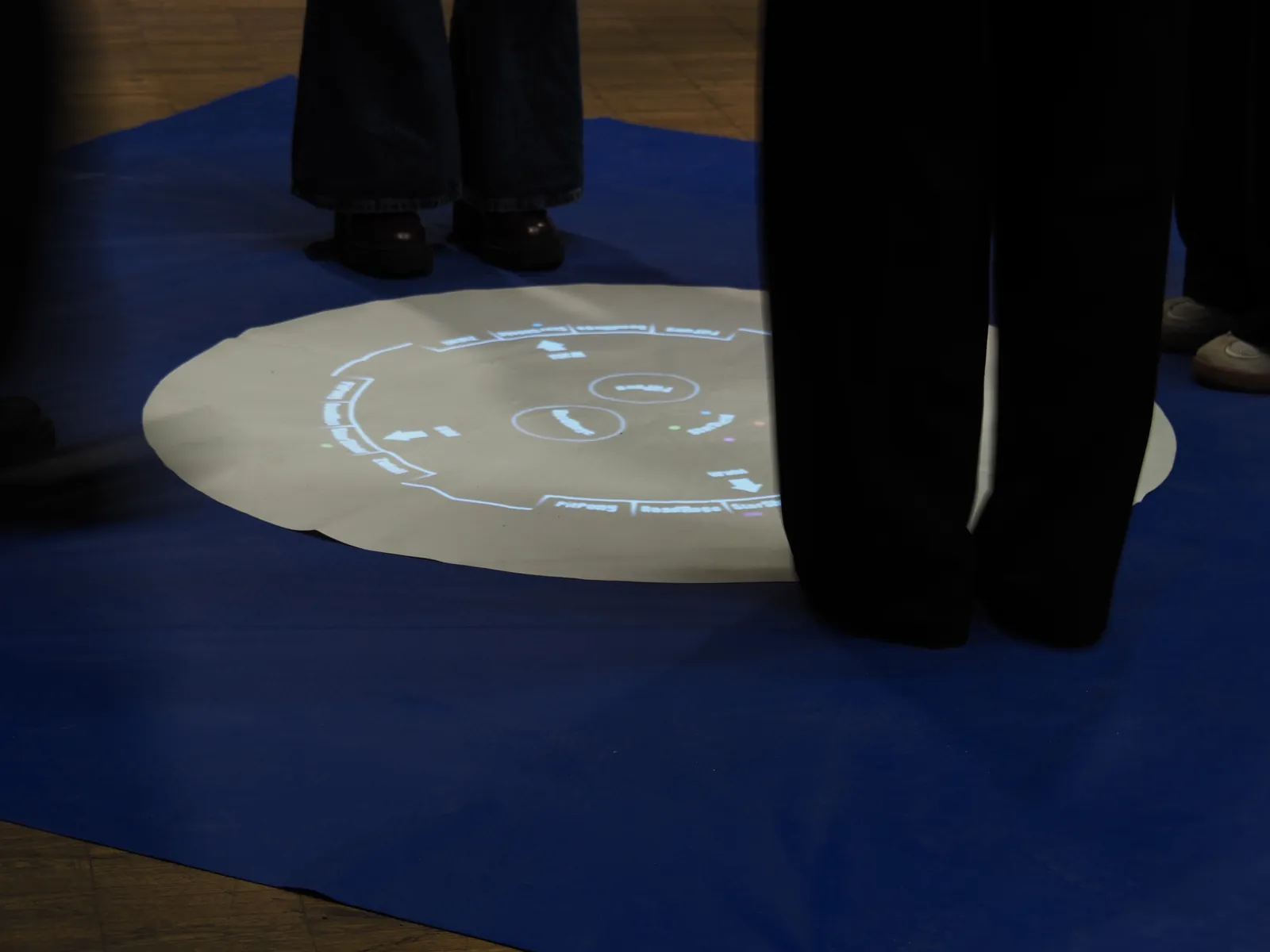
Menu – vote by standing. After 15 seconds a weighted draw decides.
PitPong: four curved cyan paddles around a ball, three red hearts per player
PitPong – Pong for four. Lose all hearts and your side turns into wall.
RoadRage: four road segments with a cyan car each and red hearts
RoadRage – dodge on your own lane.
SpaceShield: a green planet in the middle, four cyan ships at the edge and red invaders
SpaceShield – defend the planet together.

Process

What didn't work – and what did.

  1. Pose tracking. The obvious start – but the models only recognise people from the front. From above, upside down: nothing.
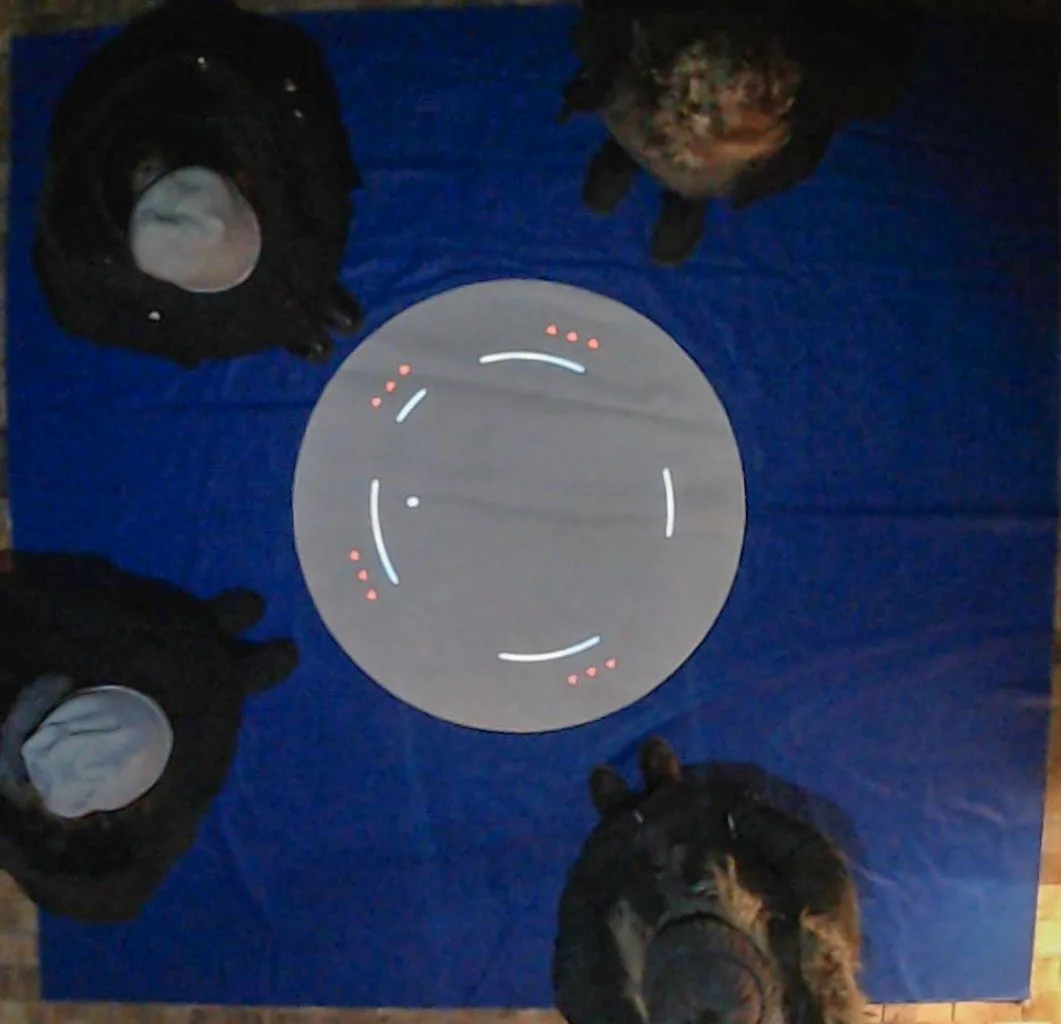
  2. Blob tracking. A single-colour floor mat and even light – then outlines are enough to find four players.
  3. Browser → TouchDesigner. Tracking moves to TouchDesigner for performance; a small OSC bridge hands the positions to the JavaScript game.
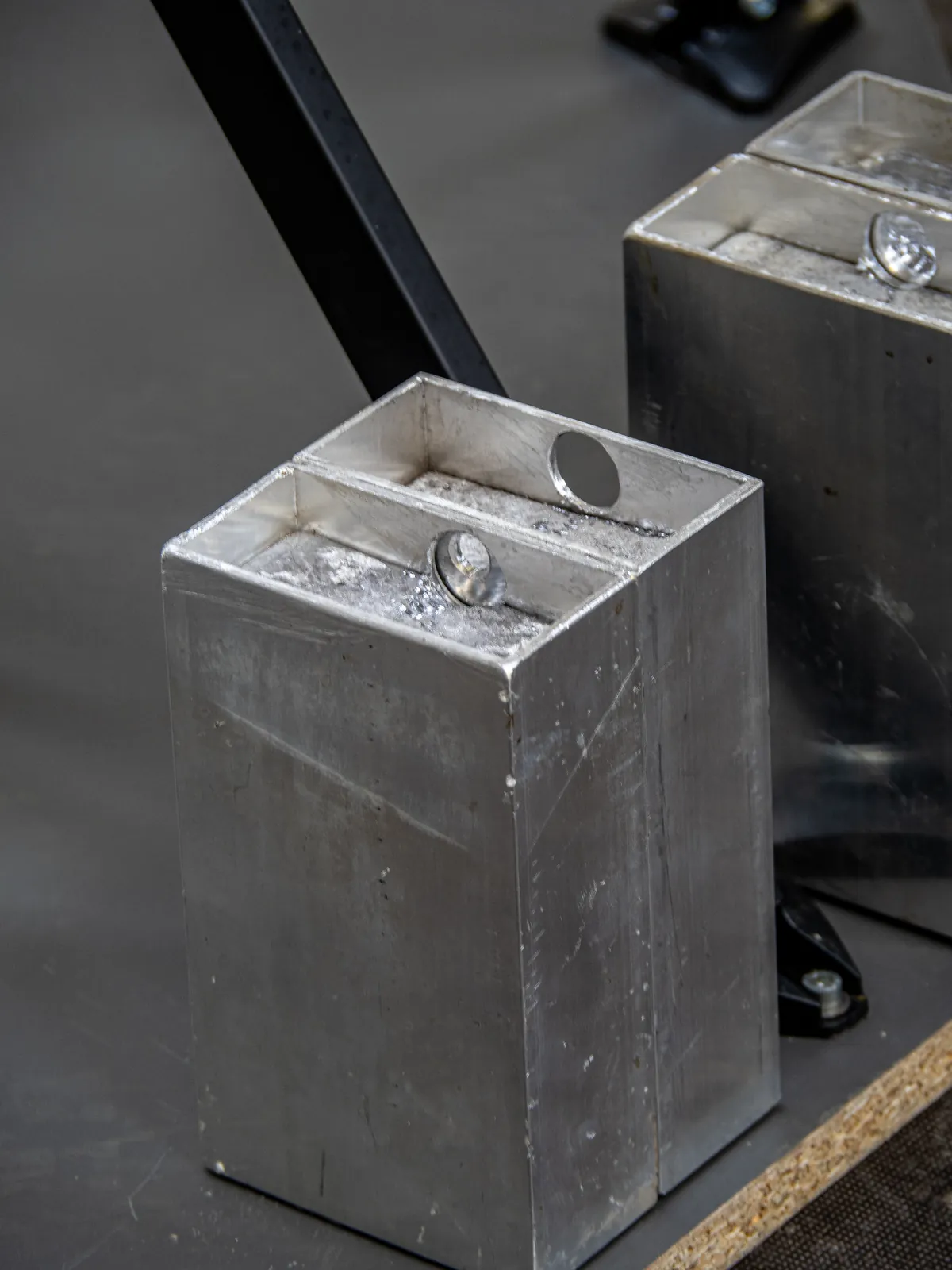
  4. Miniature → full size. First a model with canvas and magnets, then the real rig: weighted aluminium feet and a 3D-printed housing for projector and camera.
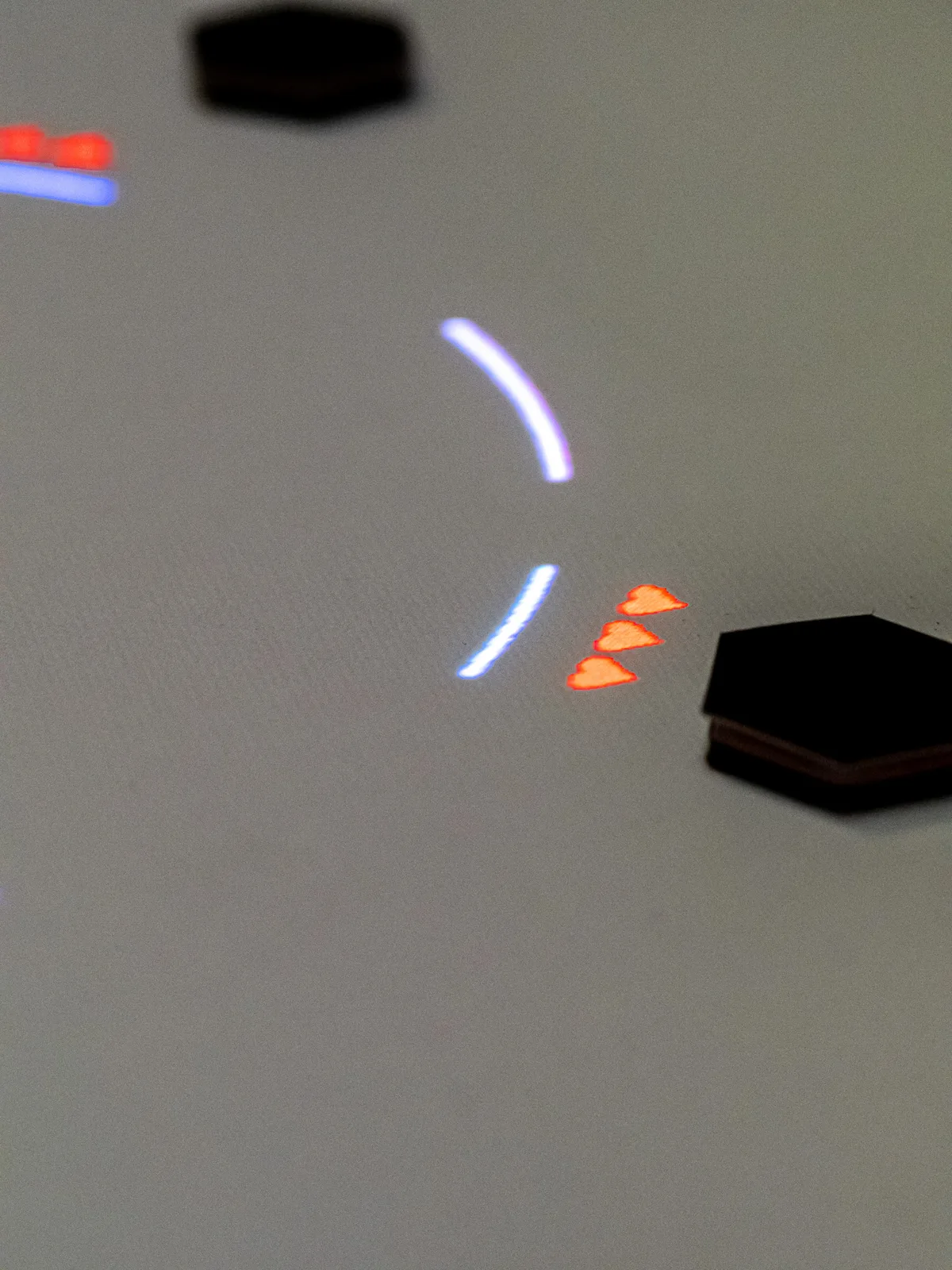
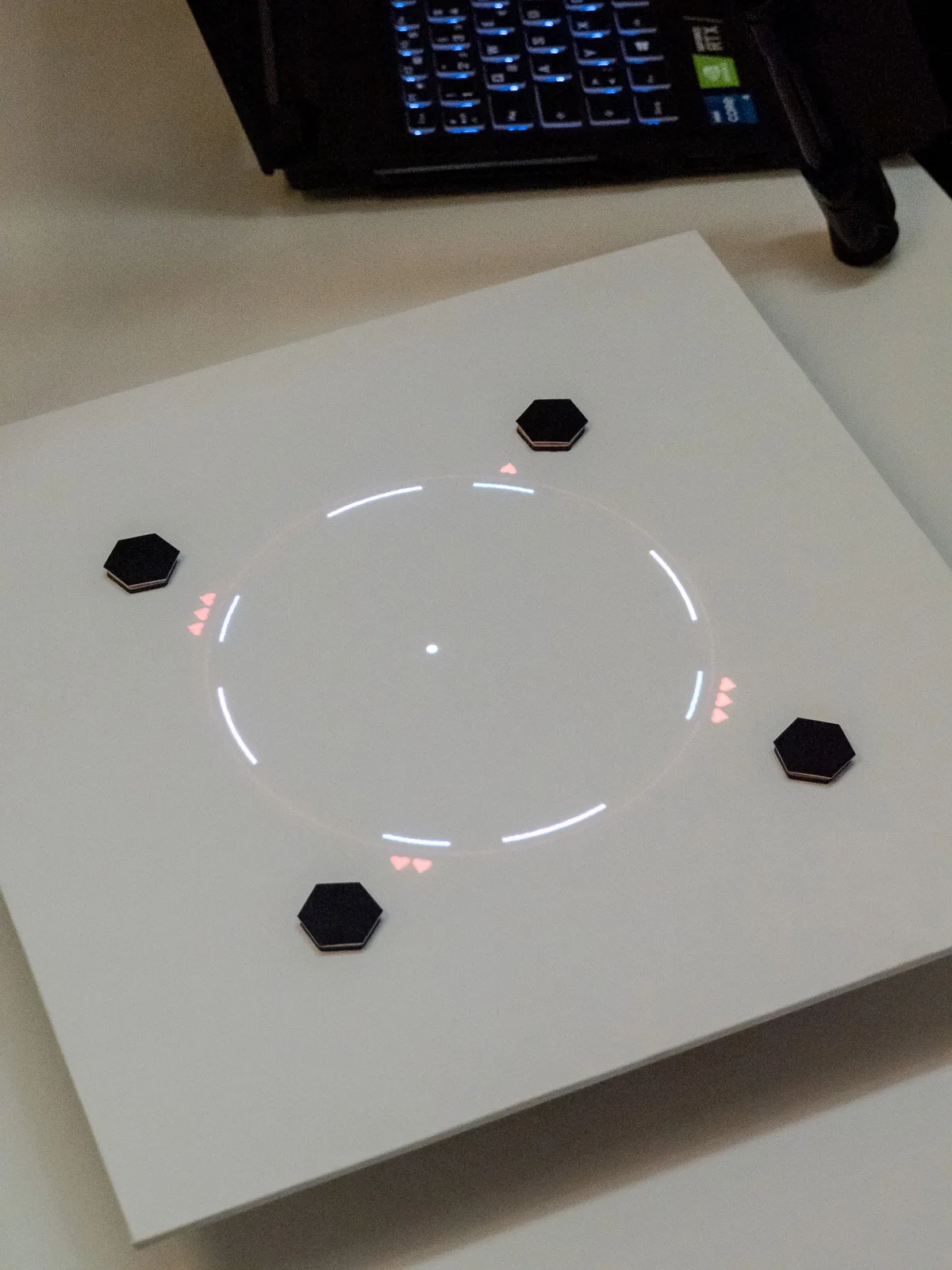
Miniature: a small canvas play field with the game projected onto it
Miniature: canvas and magnets instead of players
Miniature from above: the round play field with magnet pieces
The circle, small scale
Top-down webcam image: players around the projected circle on the blue mat
What the camera sees – from above
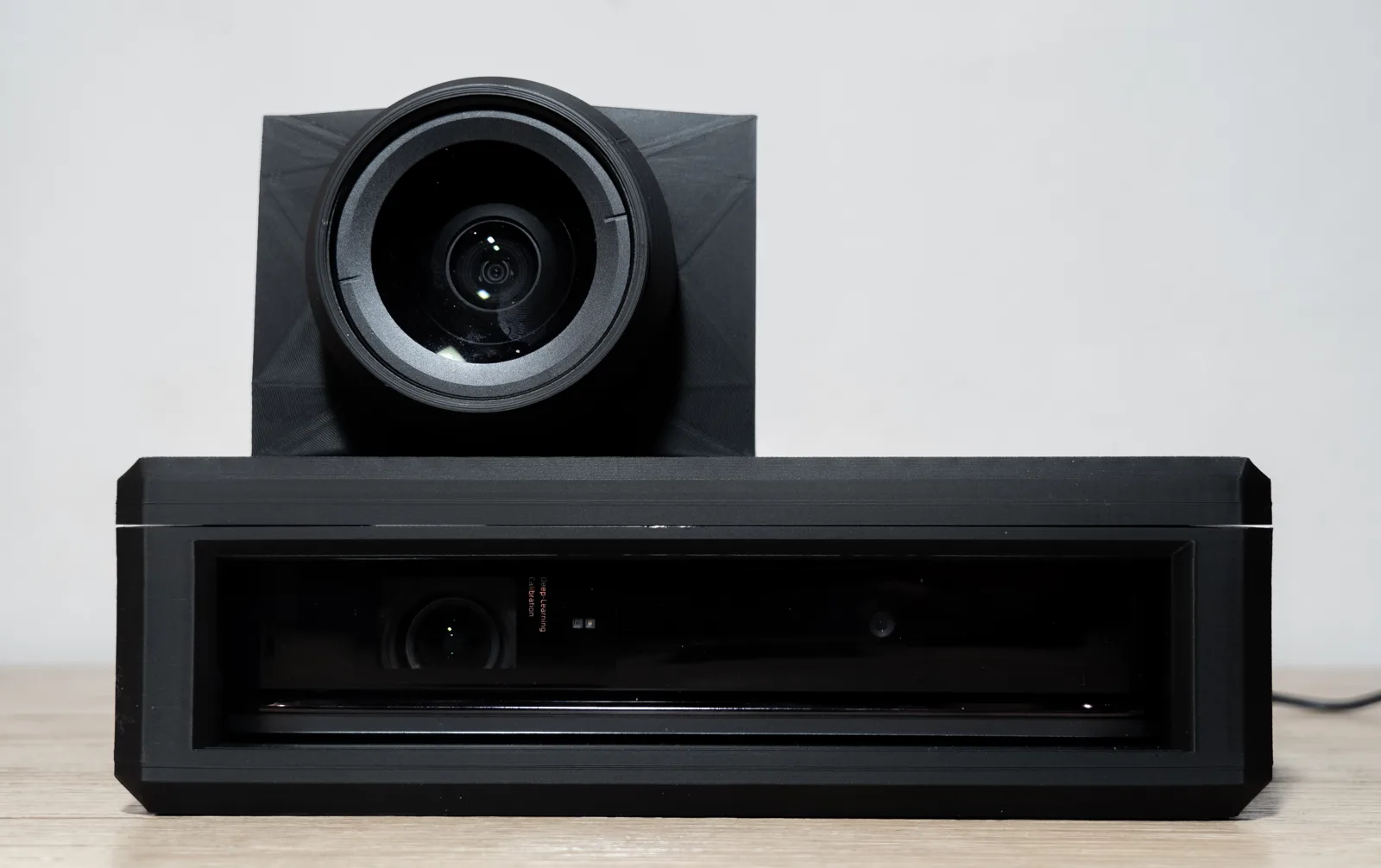
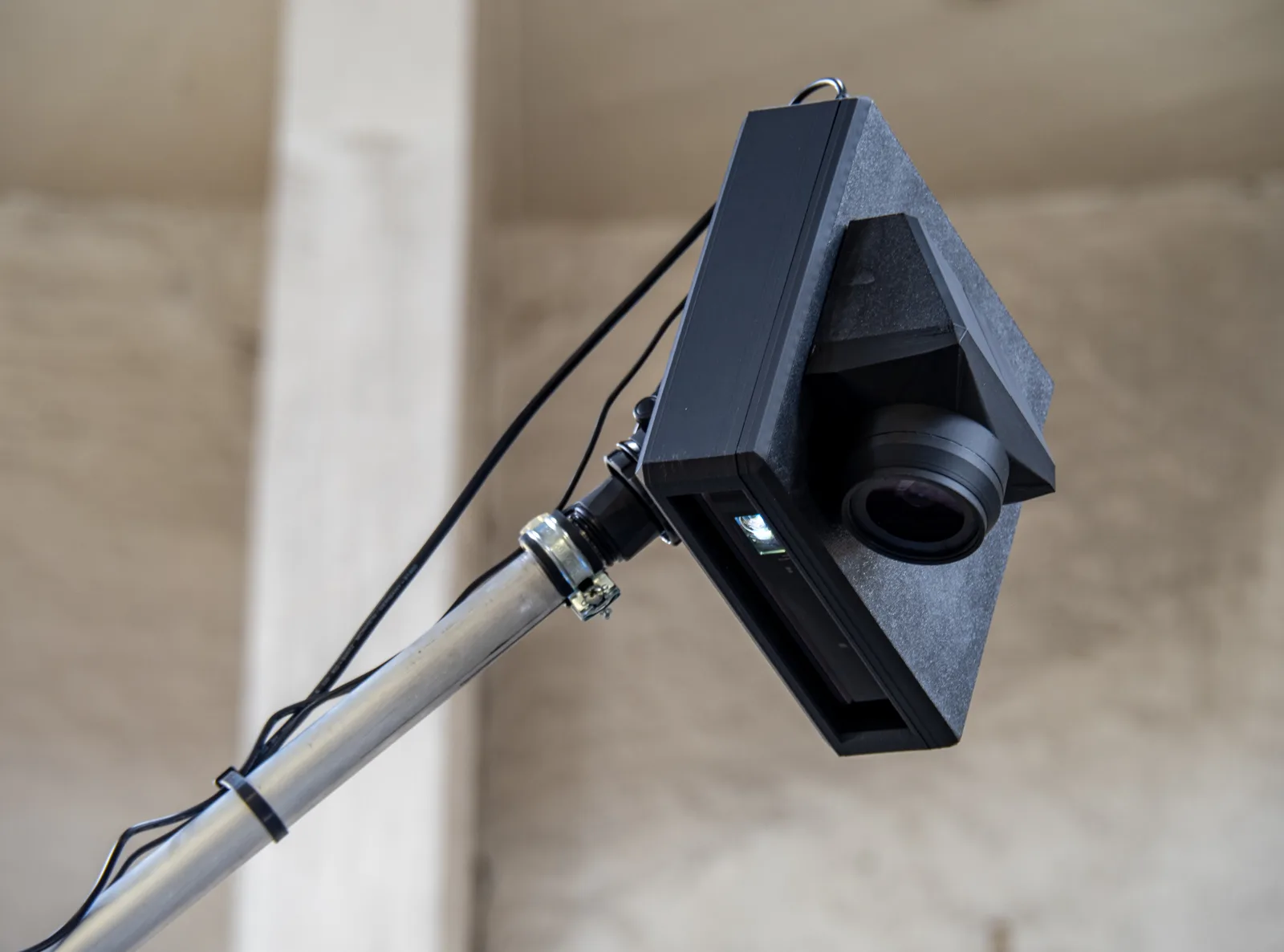
Black 3D-printed housing holding projector and camera
Printed housing for projector and camera
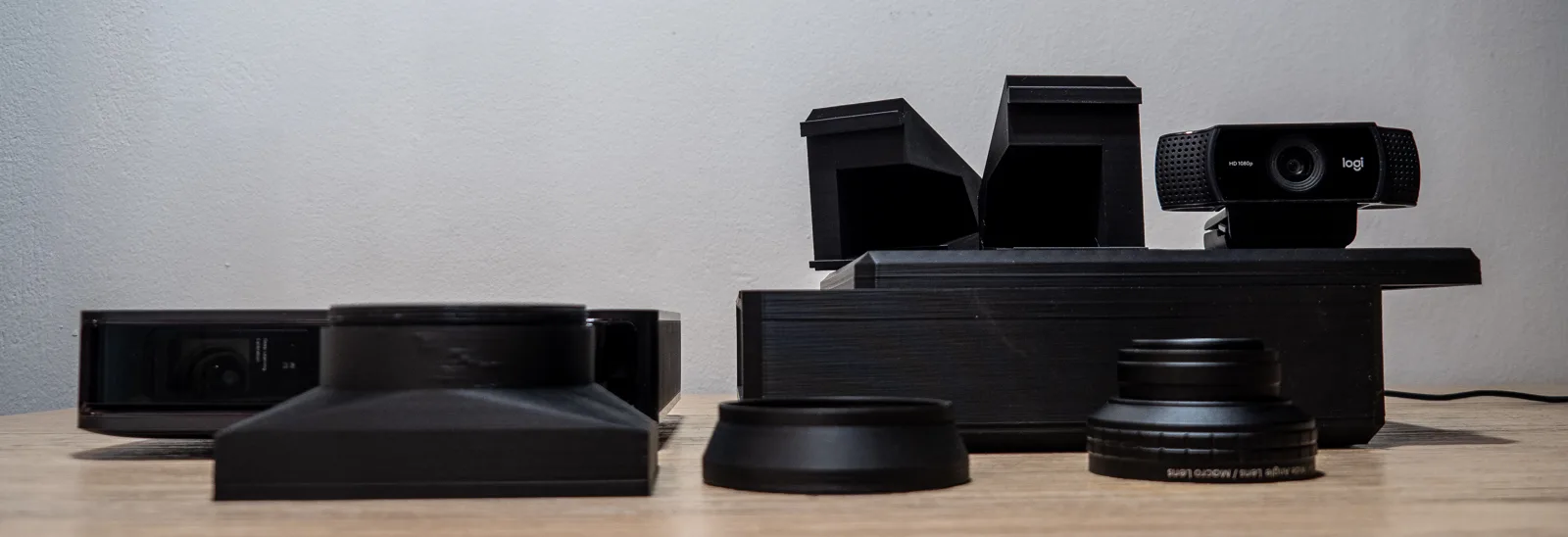
The printed housing parts laid out next to each other
The housing's parts
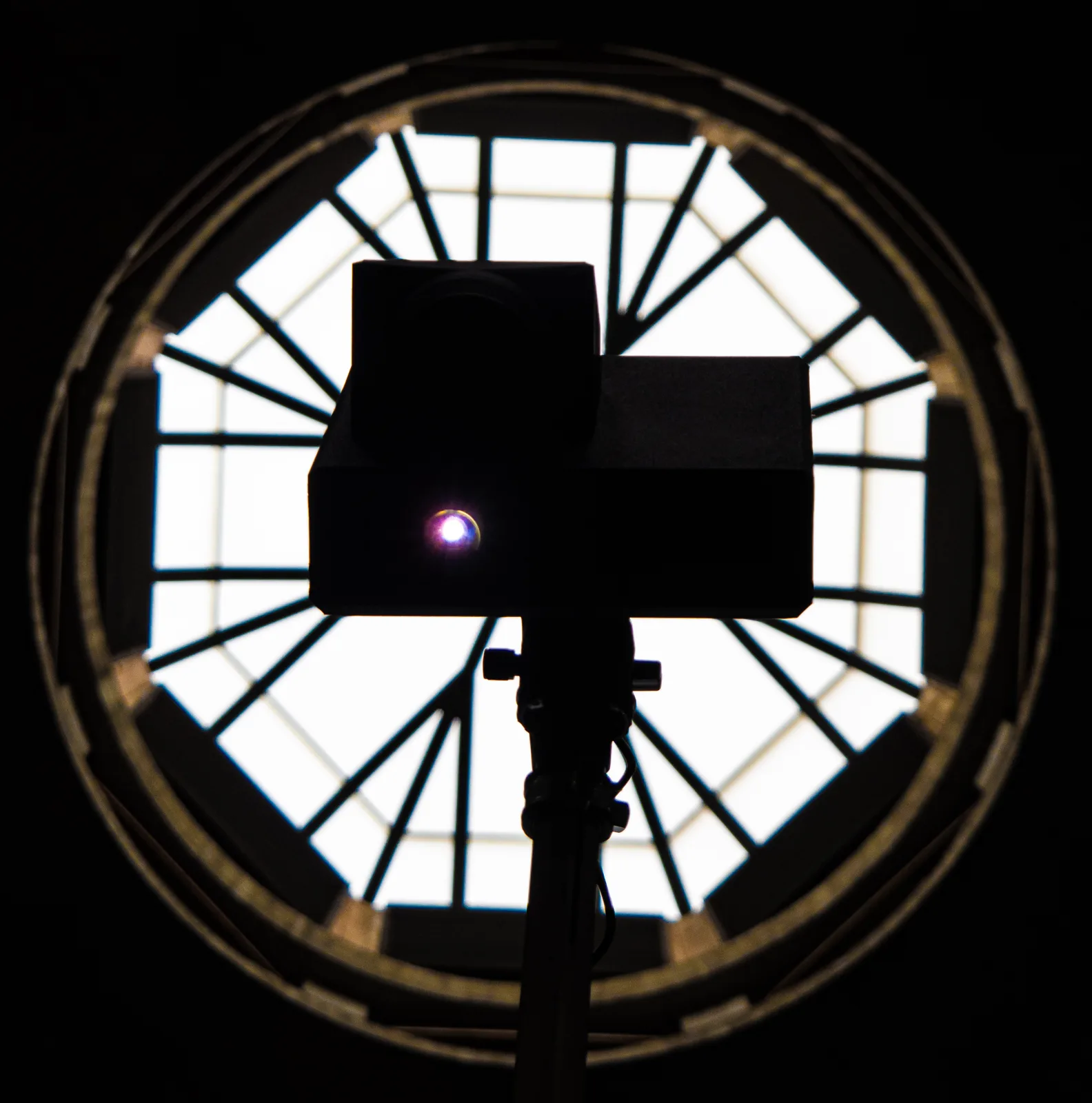
Projector and camera seen from below against the round window of the hall
Projector and camera from below
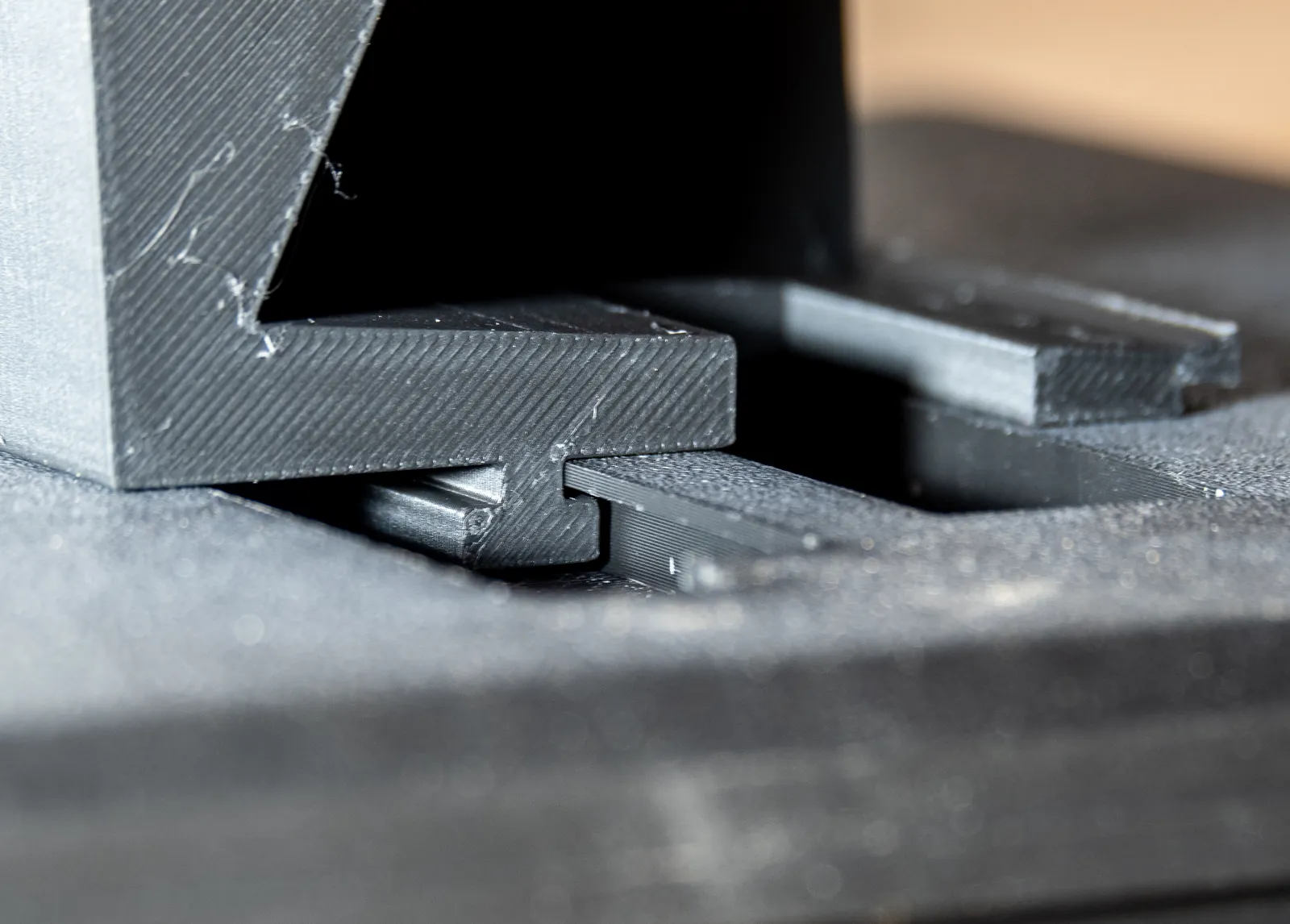
Close-up of the grey 3D-printed mount with visible print layers
The printed mount
The camera unit at the end of the boom
Camera on the boom
Two brushed aluminium boxes weighting the stand's feet
Weighted feet for the stand
The rig with its long boom in the empty round hall, blue mat with the white circle below
Set up in the hall
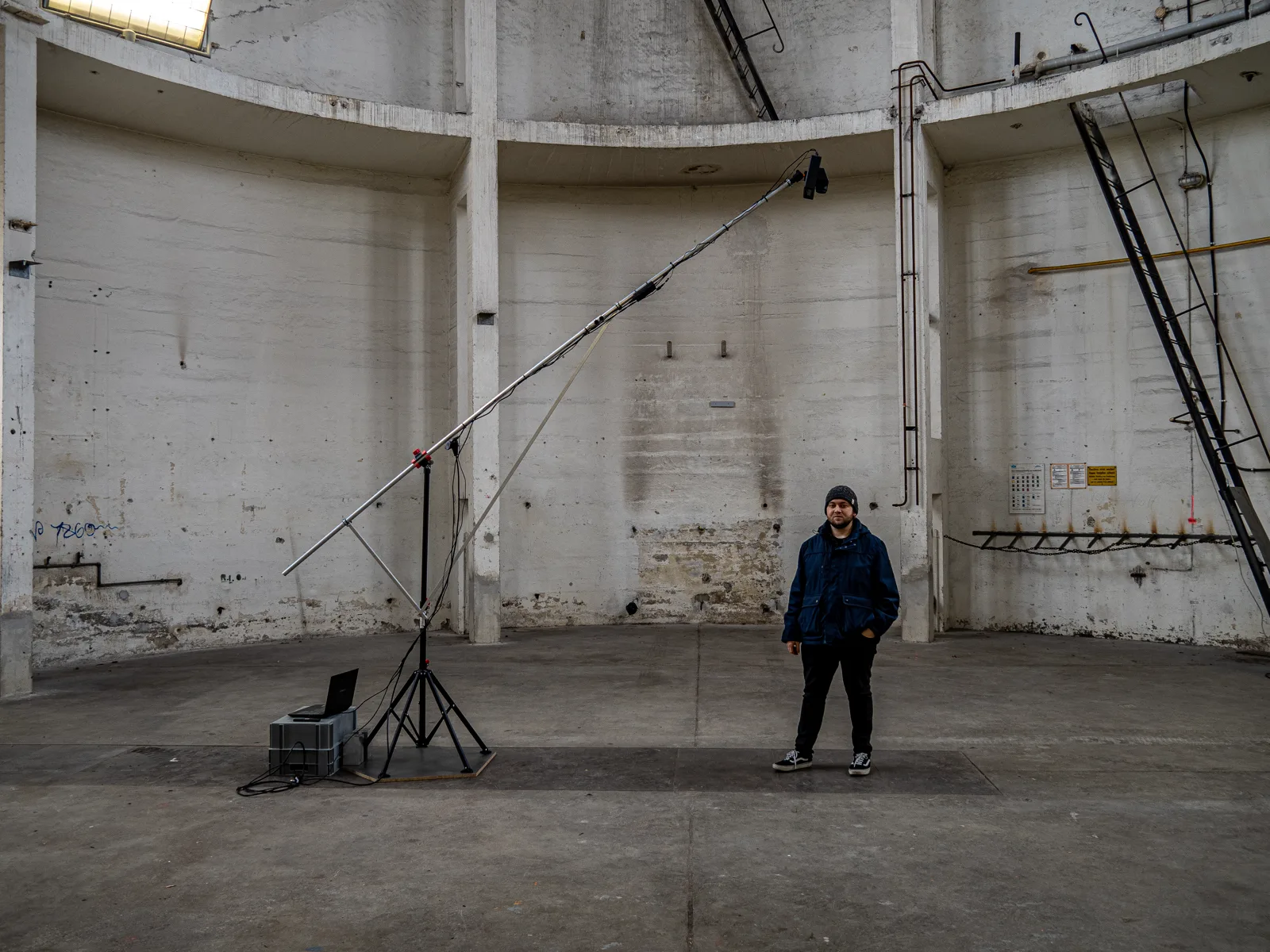
A person stands next to the tall rig in the empty hall, for scale
The rig at full size
The menu projected on the floor, players' legs around the circle
Werkschau, January 2025

The thesis

Flip through it.

The thesis as PDF is coming.

–