Transformative
Spaces.
A bathroom that changes its mood. A washbasin that moves, light through laser-cut tiles, a mirror made of fabric, moss that's allowed to grow – activating one moment, calming the next. Ten students, one semester, a brief from Dornbracht and Meiré und Meiré.
- Type
- Interactive room installation, team project (10 students from interactive media, design and computer science)
- Place · time
- TH Augsburg · winter 23/24 · shown at the SICHTRAUM 24 exhibition, 2–3 February 2024
- Partners
- Dornbracht · Meiré und Meiré
- My part
- The logo · for the Living Tiles one activating and one calming animation, drawn frame by frame · combining all animations and mapping them onto the surfaces (aligning the projectors, arranging the videos per projector) · building and thinking along at the other stations, from construction to the exhibition
Supervised by Prof. Andreas Muxel and Prof. Dr. Alessandra Zarcone. A project by students of TH Augsburg for Dornbracht and Meiré und Meiré.
Out of the lifeless bathroom.
Dornbracht's question: how does the bathroom become a place that adapts to mood and rituals – and how much real material does a digital world still need?
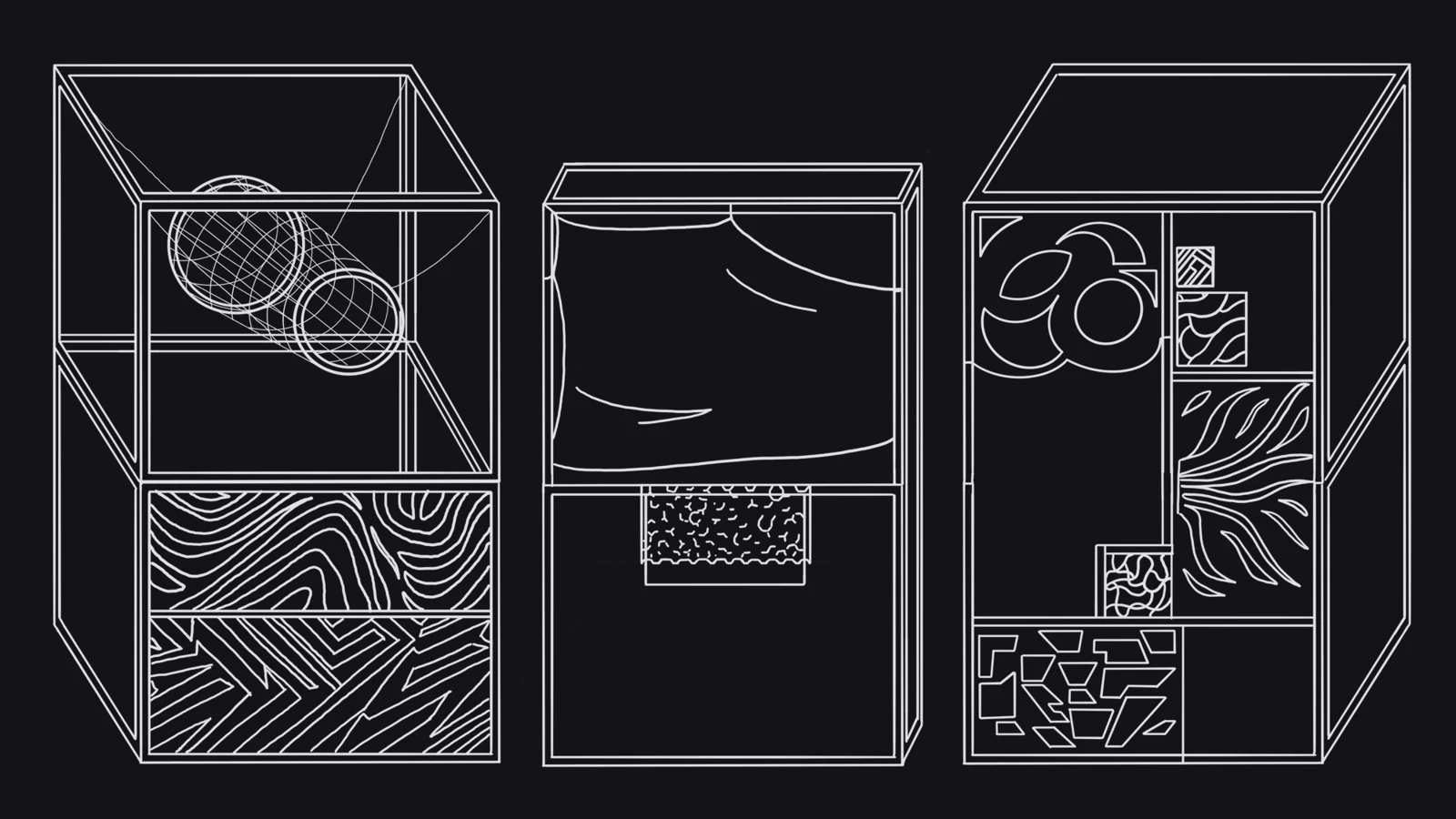
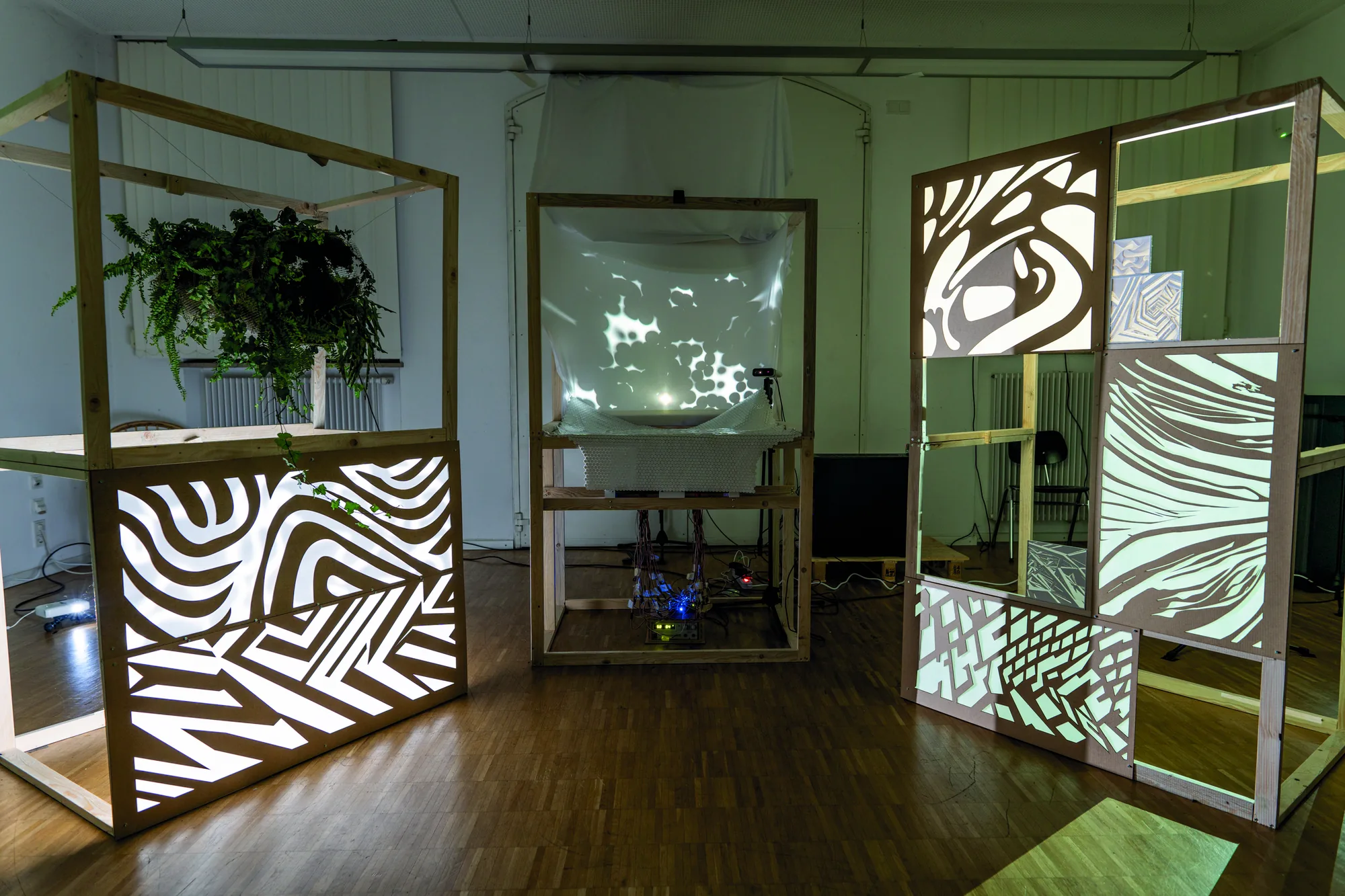
Our answer: three freely arranged wooden frames, natural materials, a digital layer on top – and two moods, activating and calming, that everything switches between.
A basin that breathes.
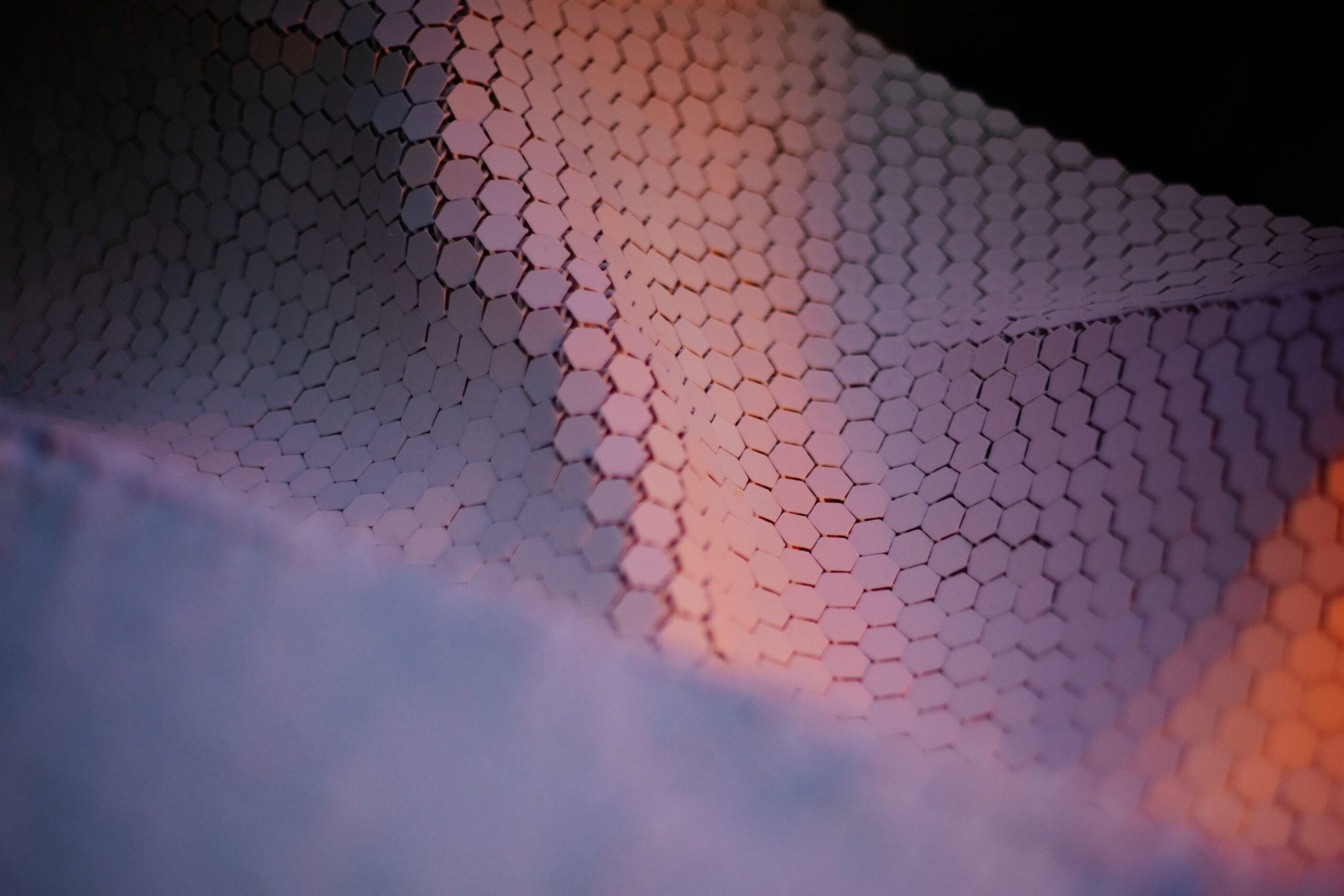
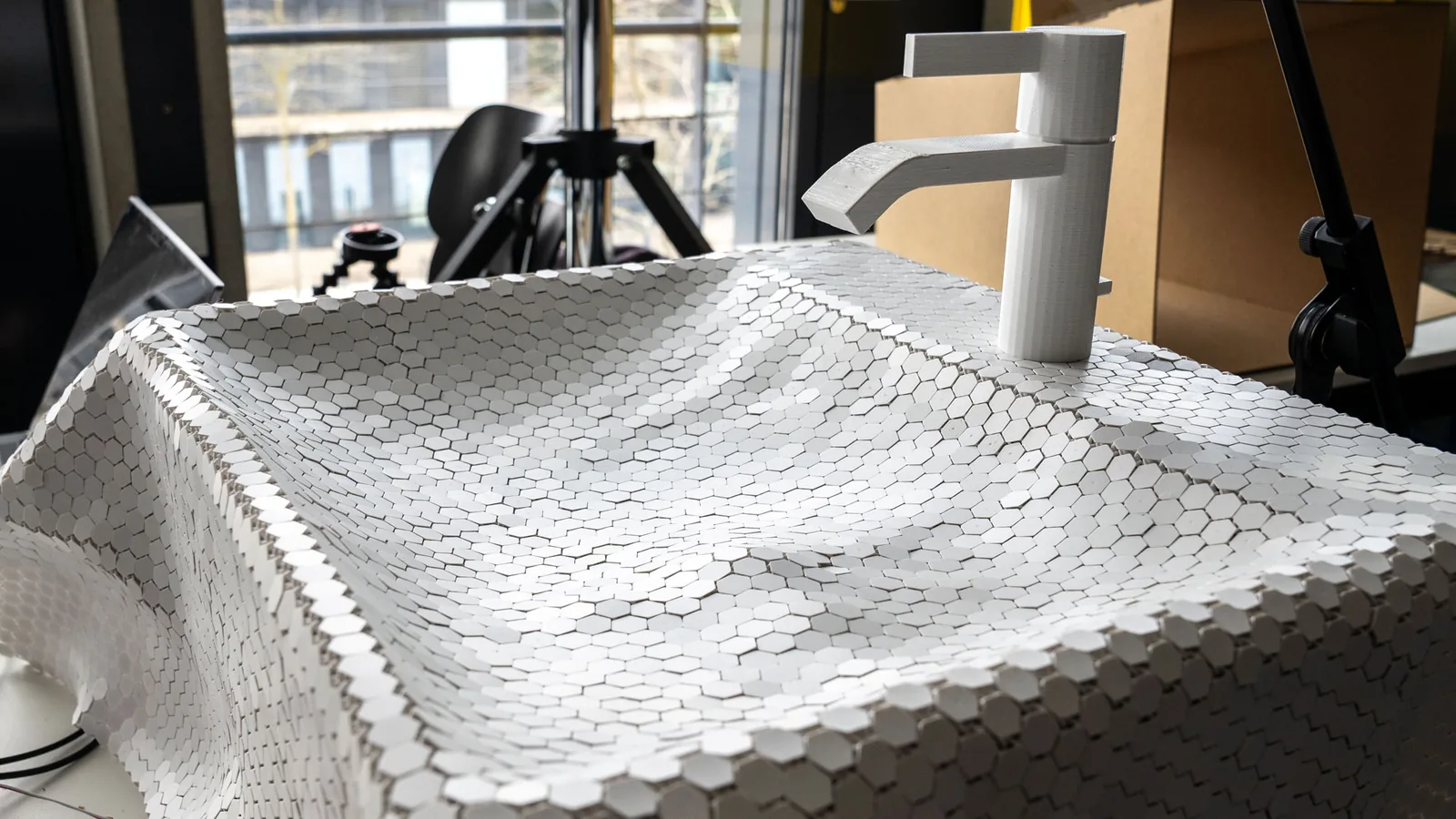
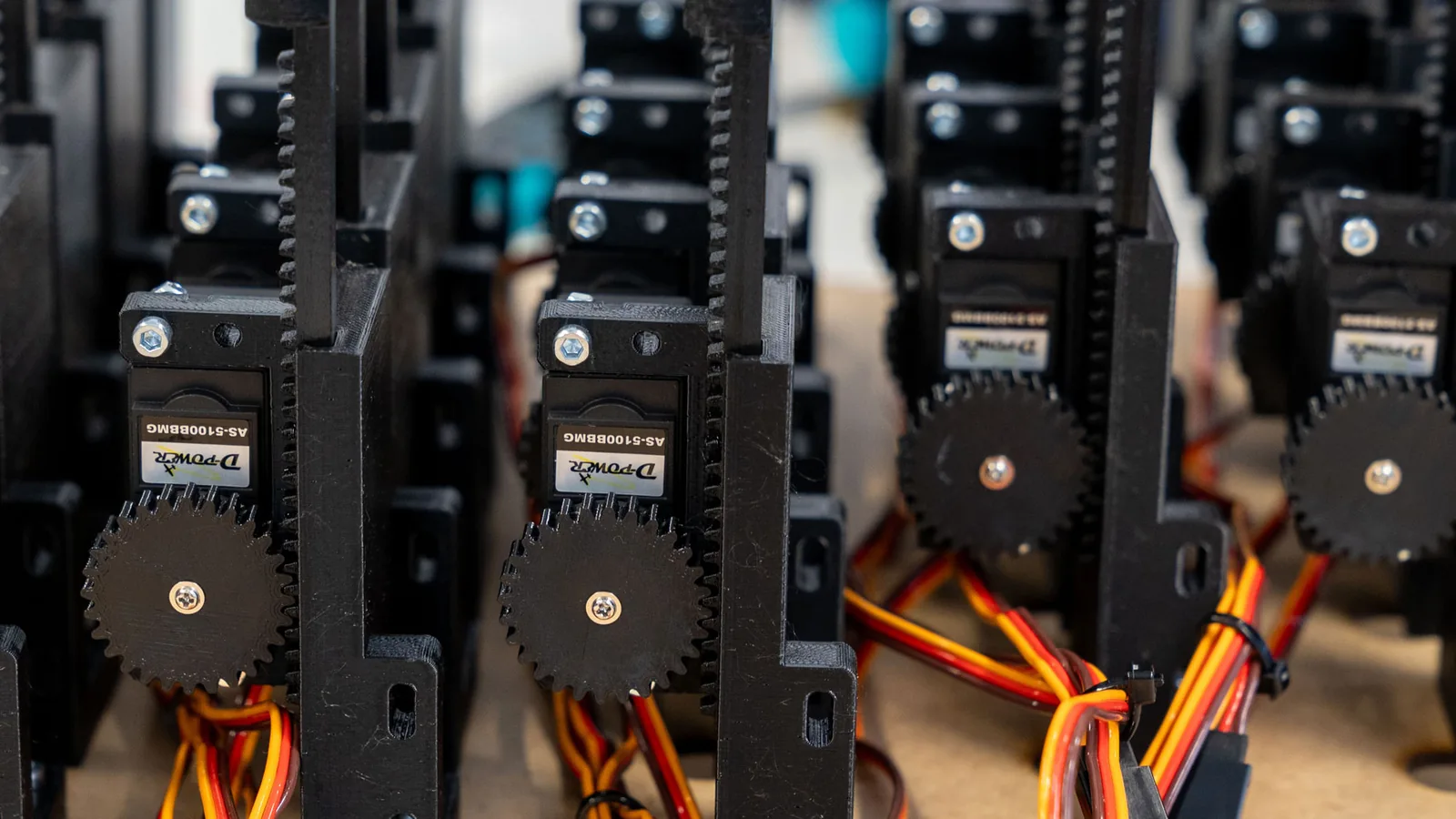
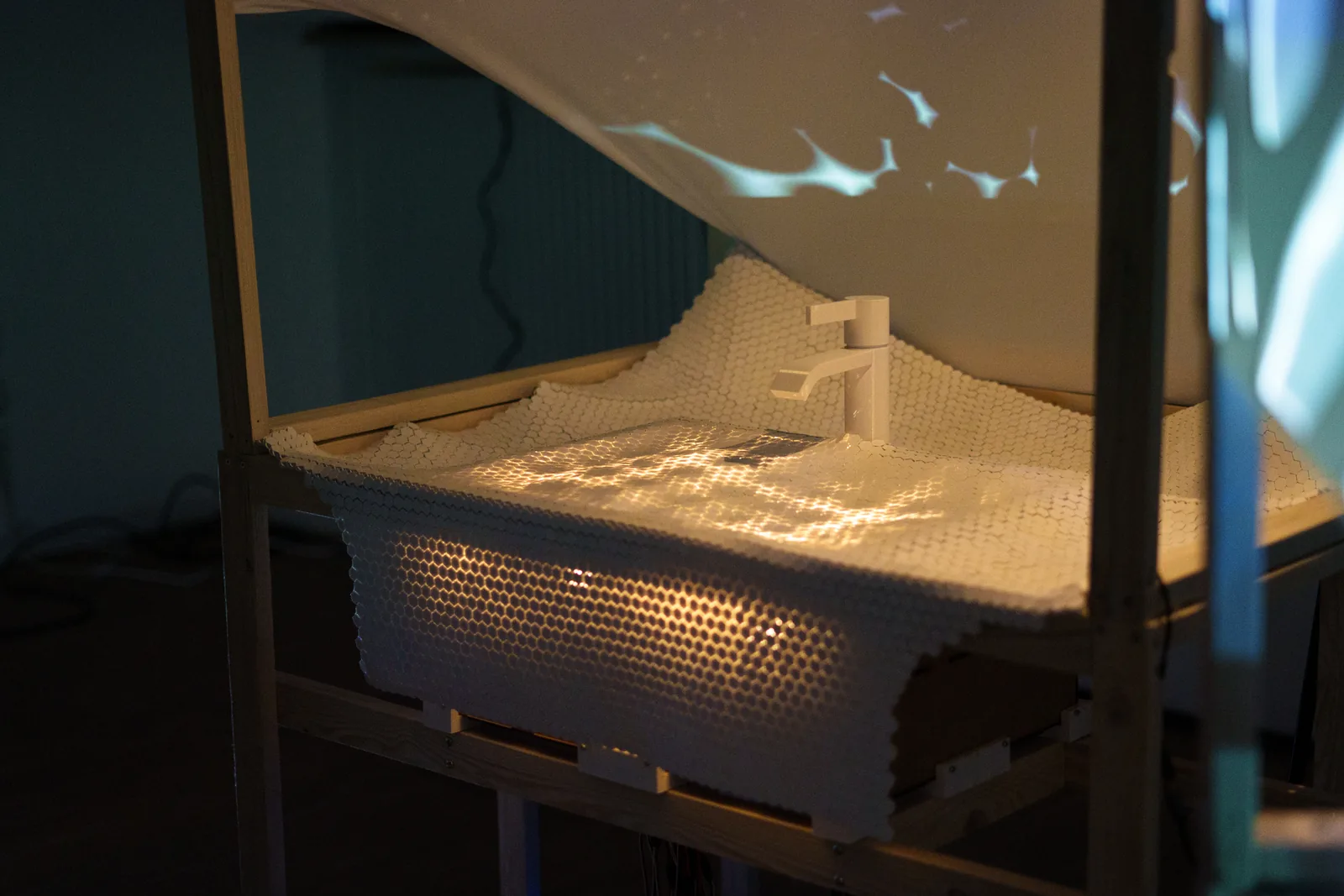
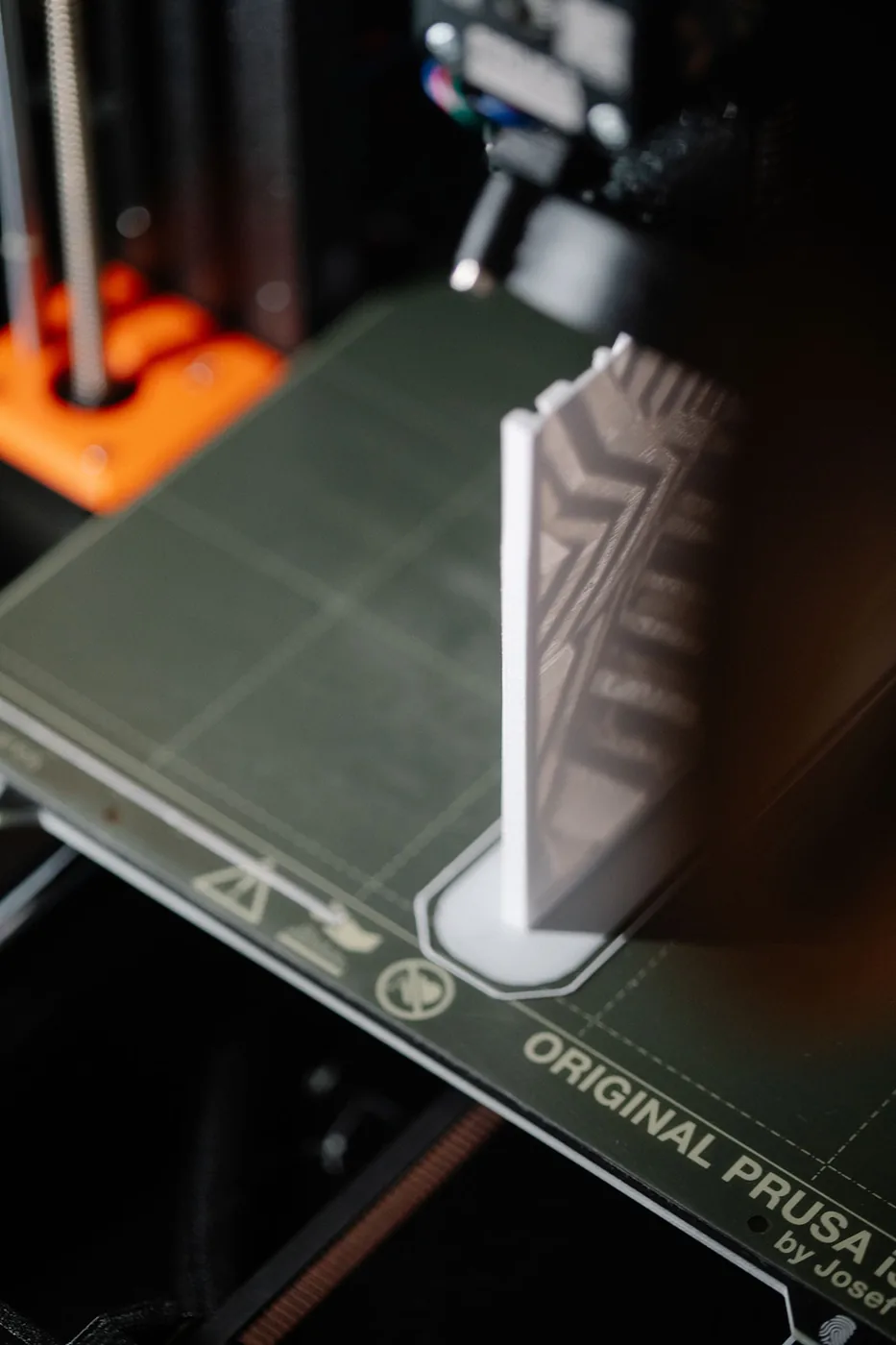
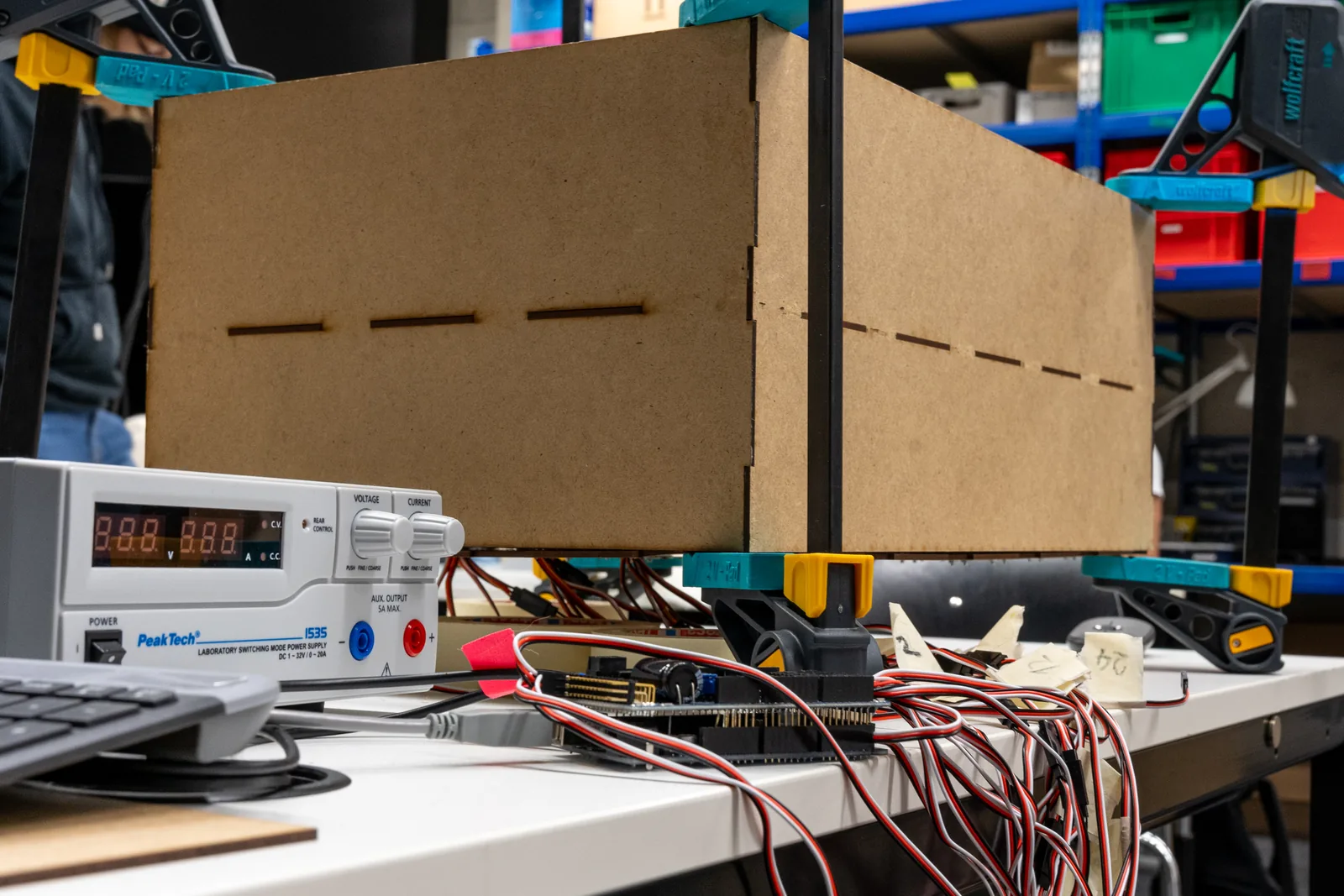
A washbasin of 3D-printed honeycomb. Underneath, 40 servo motors raise and lower the surface – calm like a wave one moment, restless the next. Anyone can set the shape themselves in software.
Light behind wood.
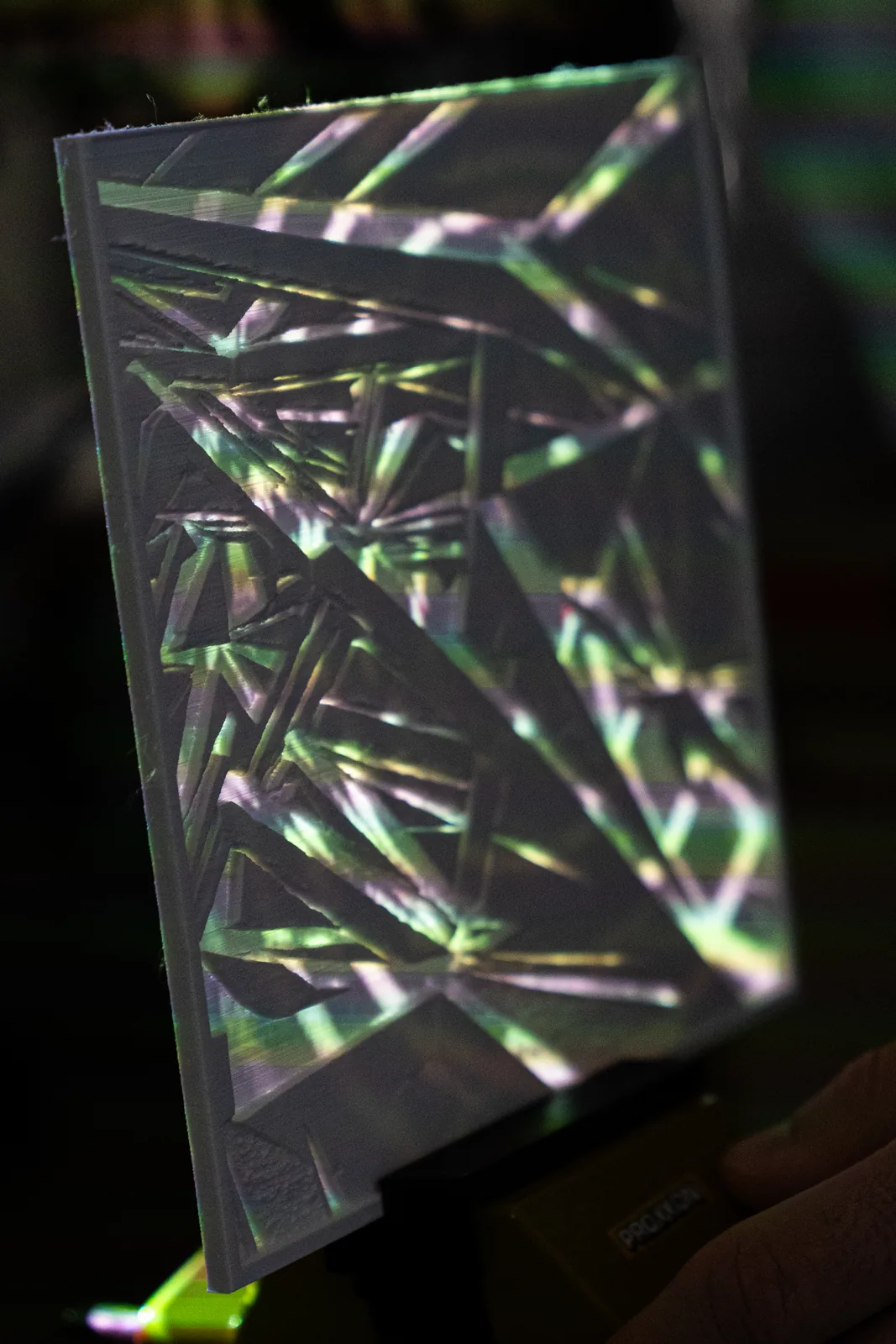
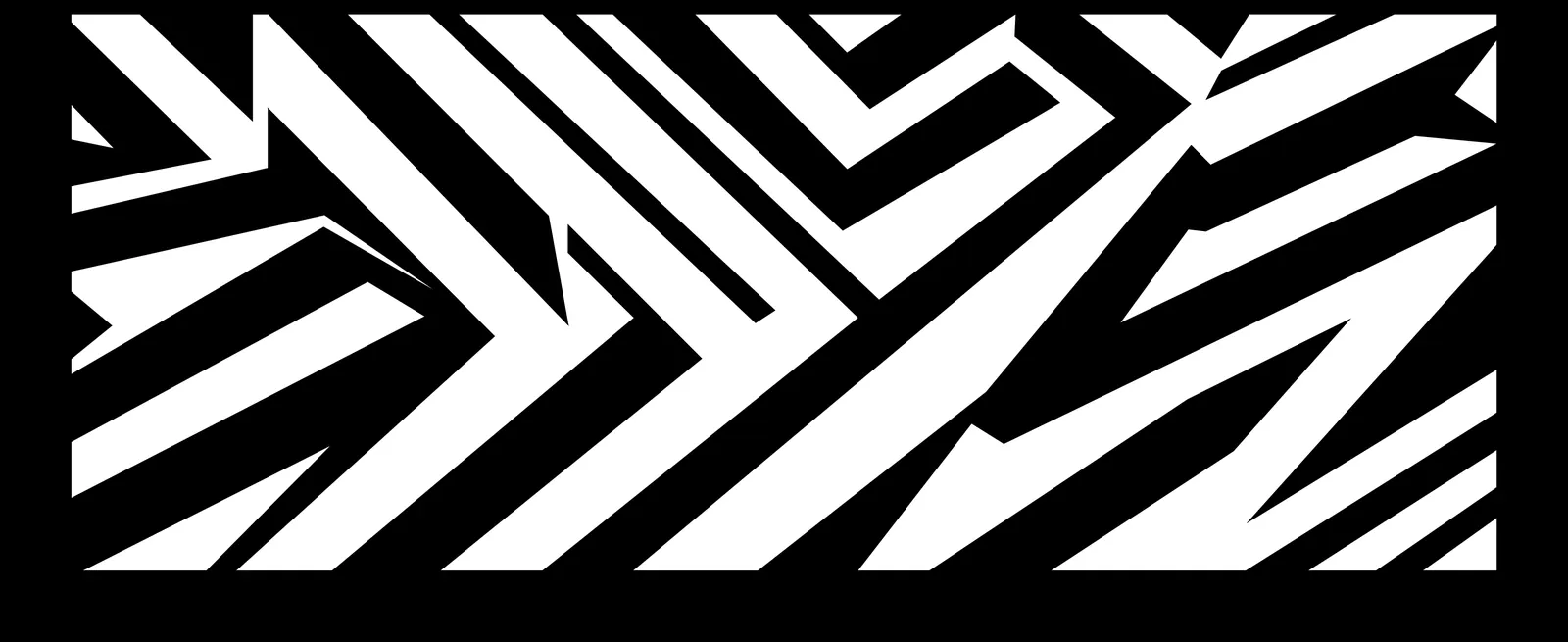
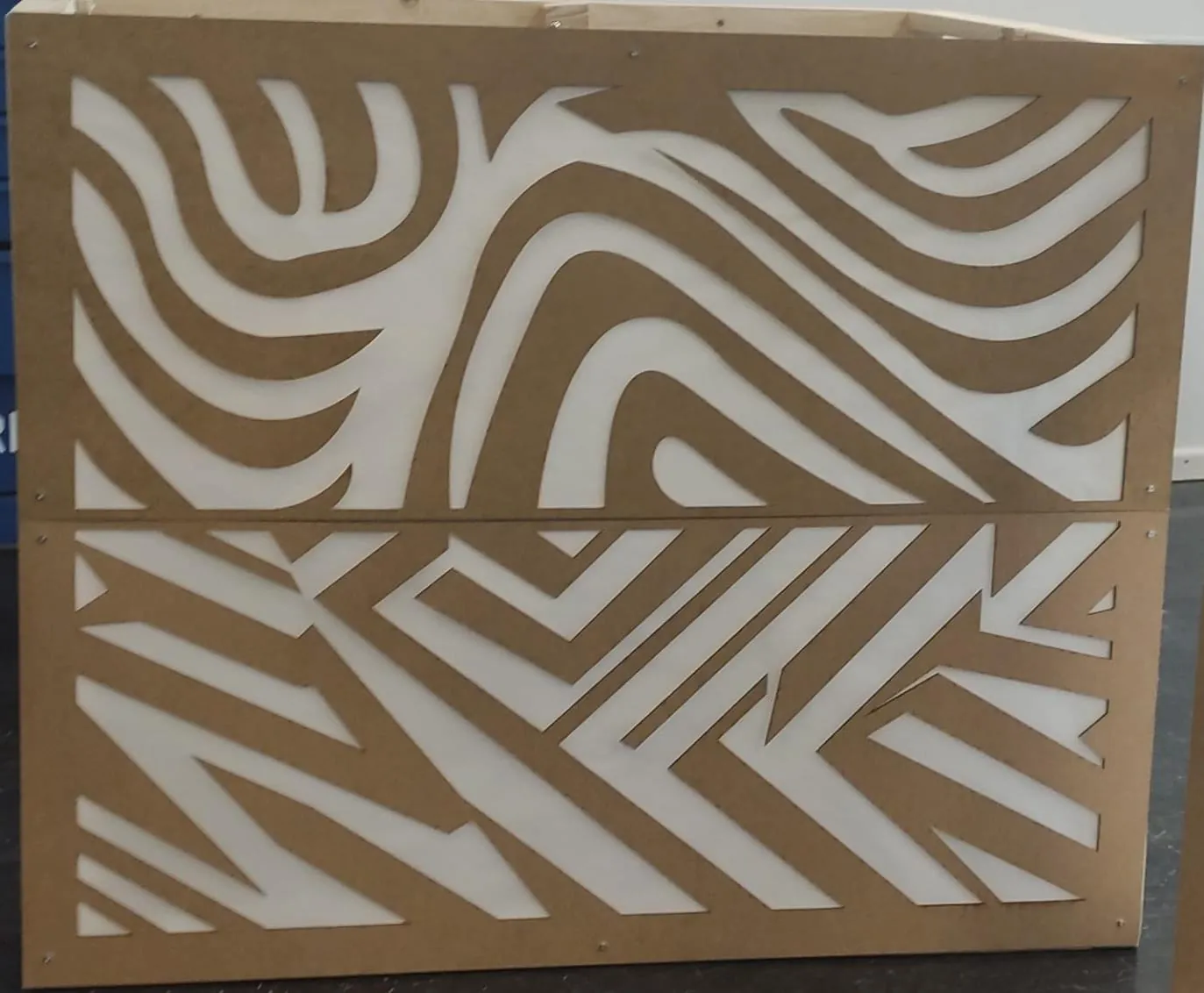
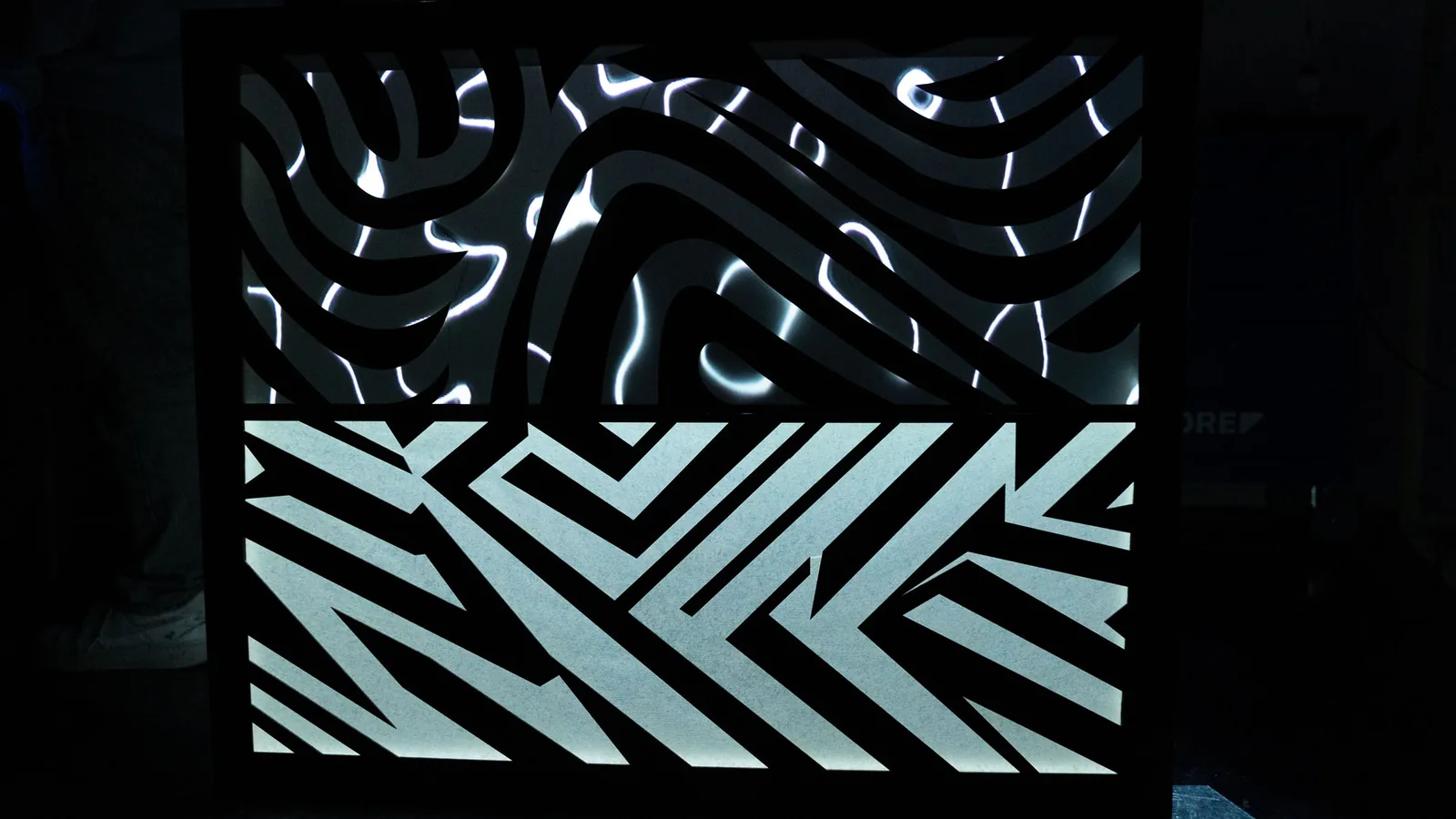
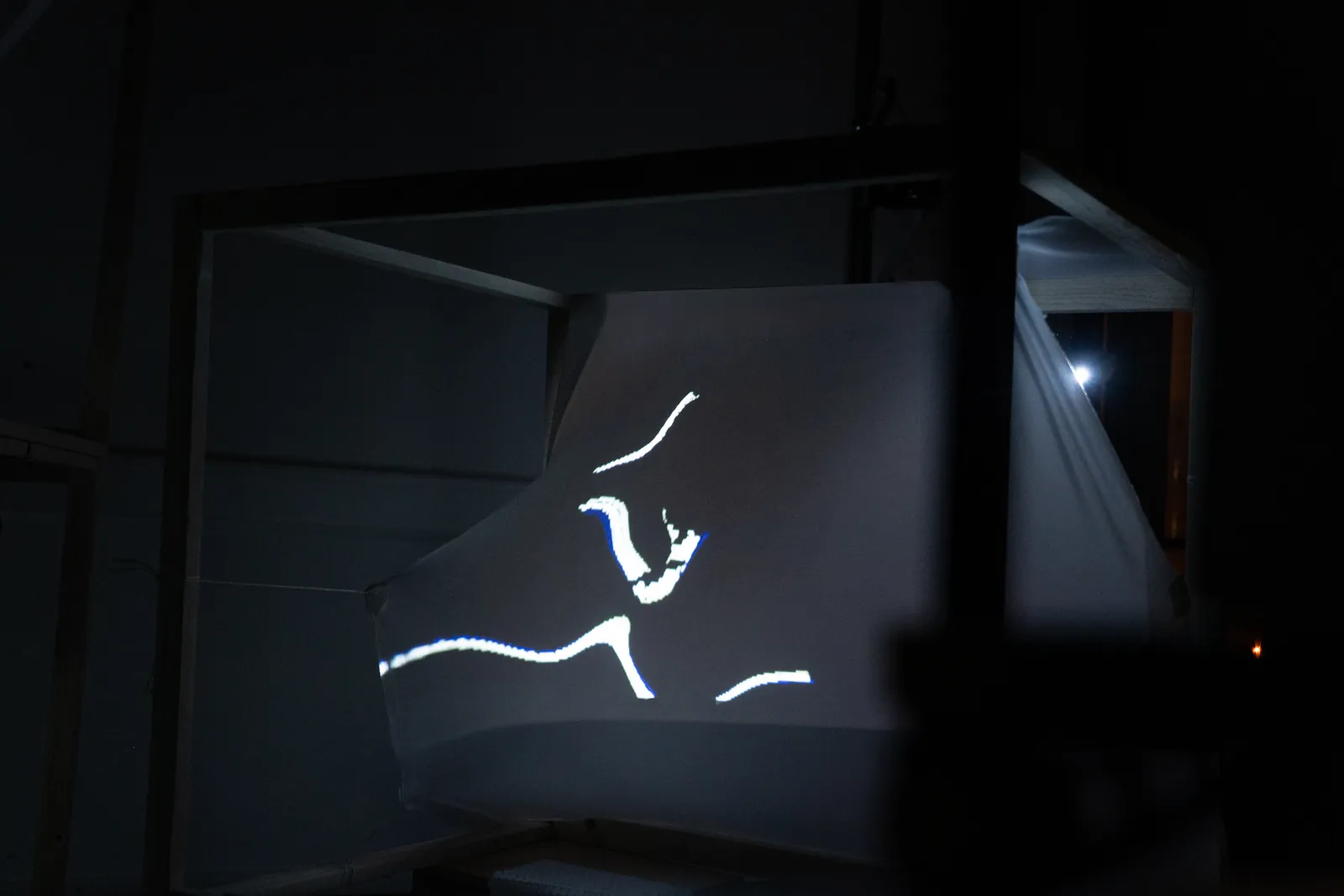
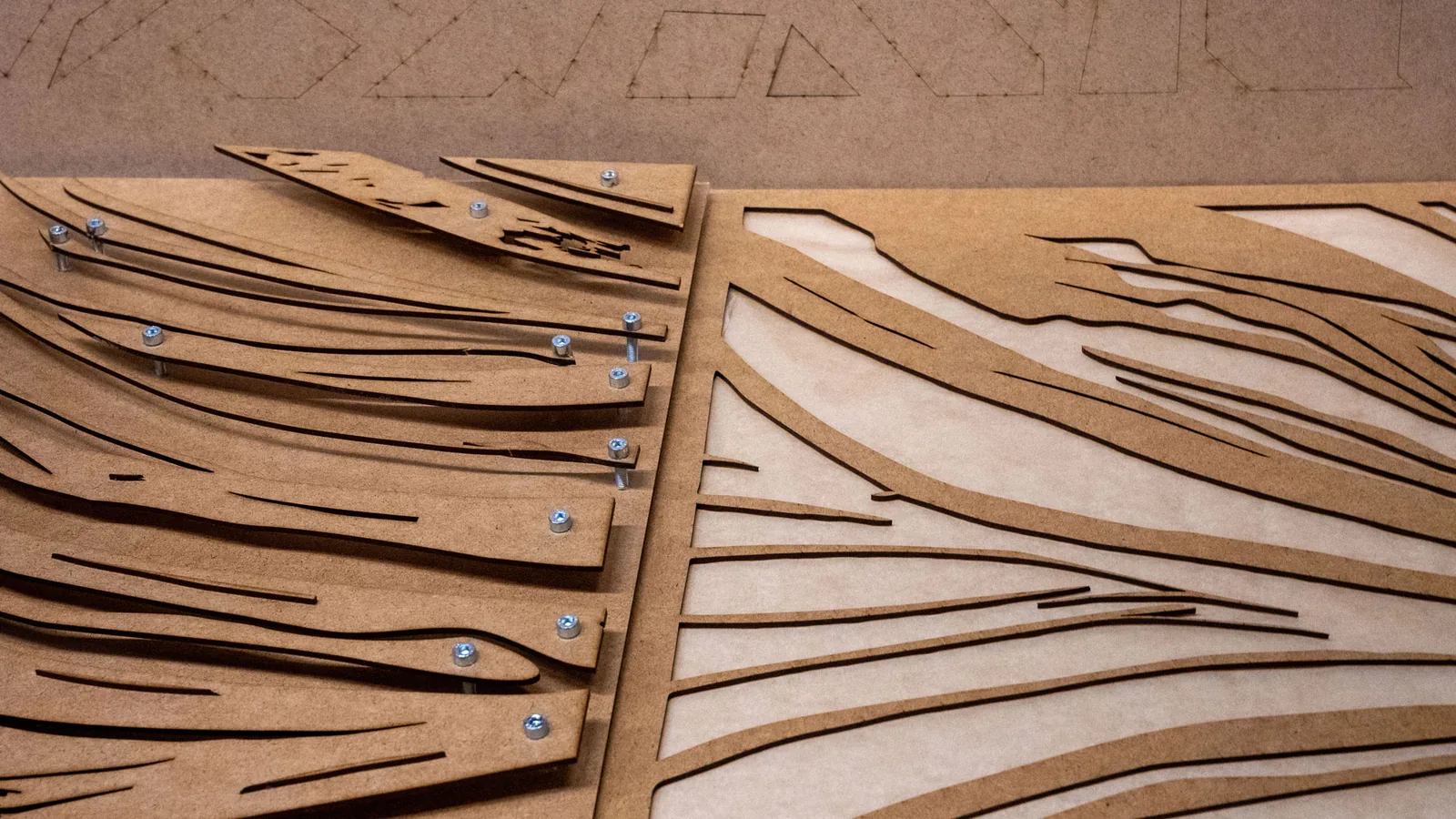
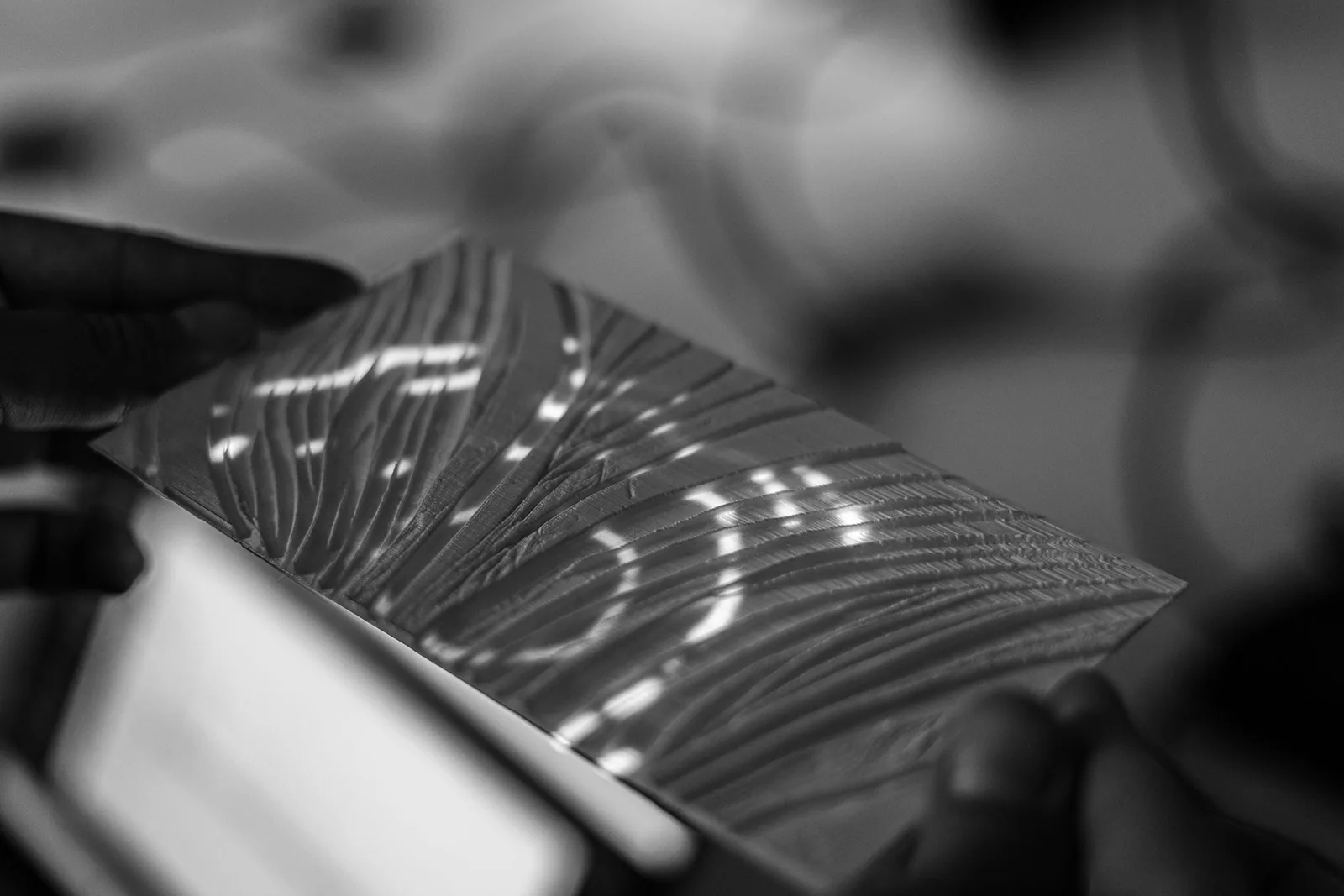
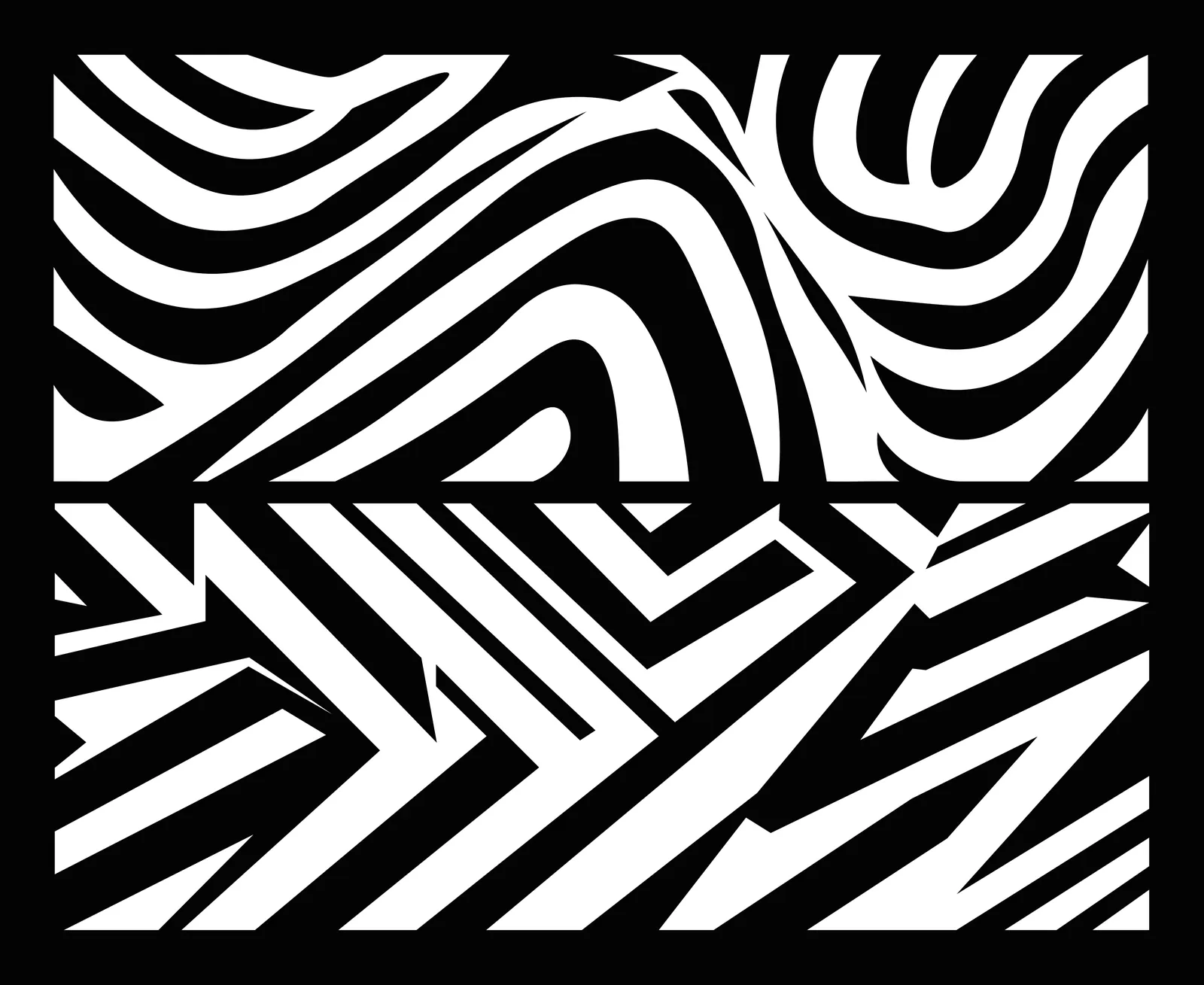
Laser-cut fibreboard and 3D-printed reliefs let more or less light through, depending on their thickness. Behind them run animations by the team, on several surfaces at once. Mine are one activating and one calming – drawn frame by frame.
I also combined all animations and did the mapping: aligning the projectors, arranging the videos for each projector and masking them to the panels' patterns.
Organic and soft means calming, angular and fast means activating – in shape, colour and sound.
The logo.
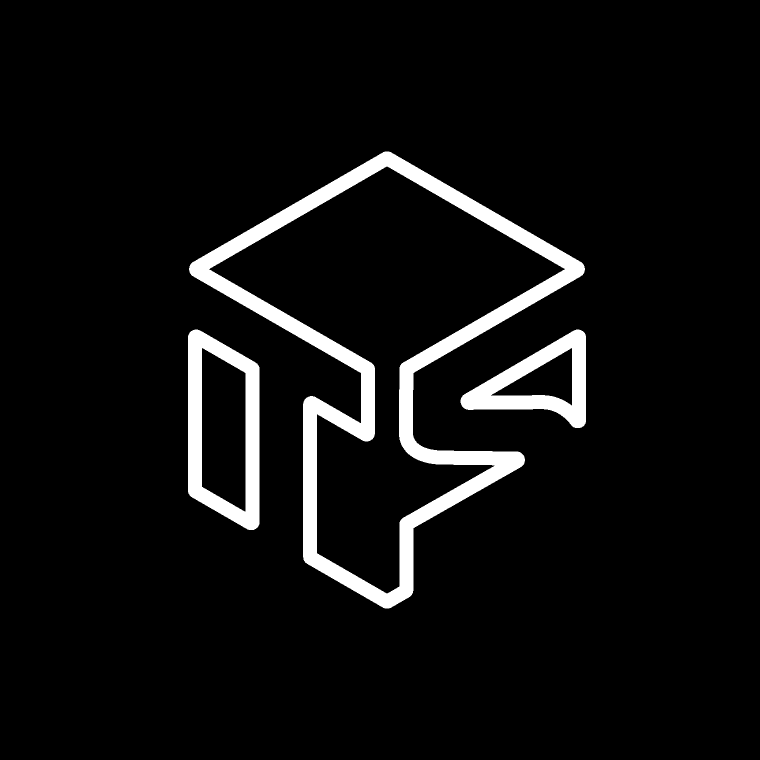
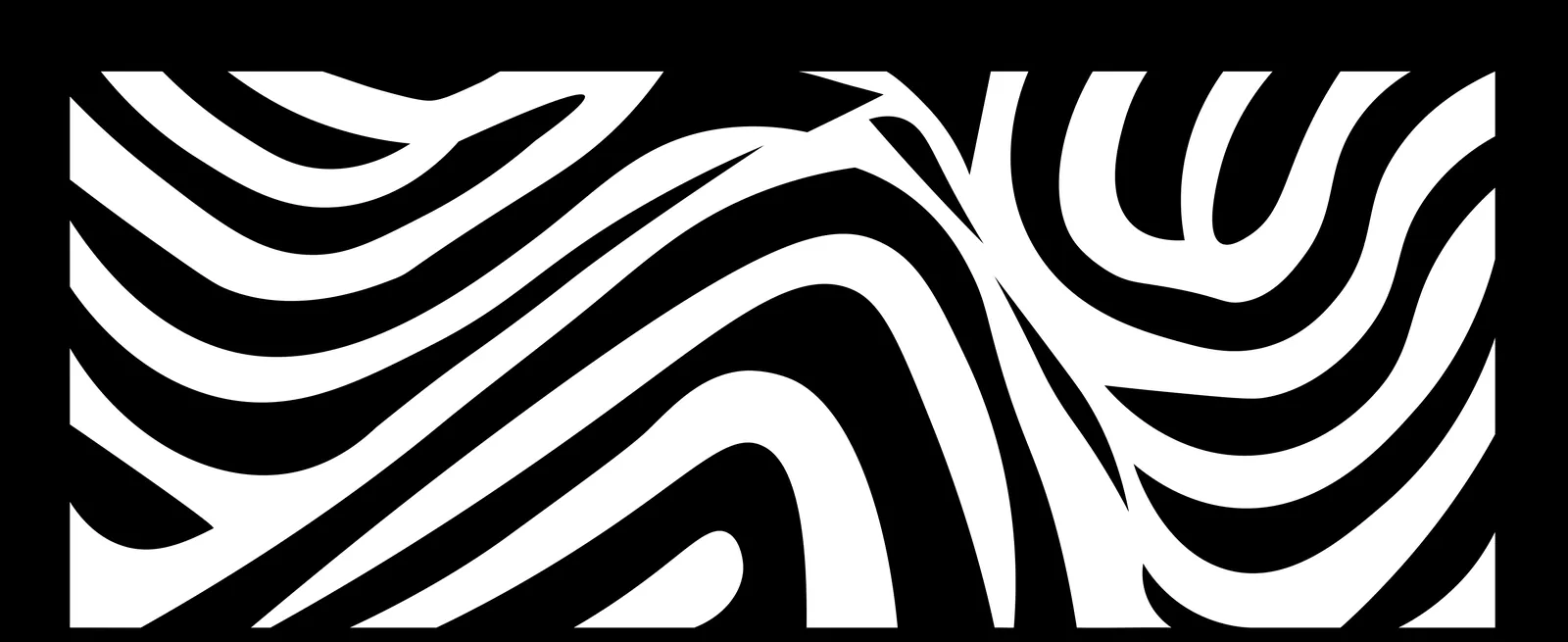
The logo had to strike the tone of the project: a room – just as a bathroom is one. T and S fold into a cube, open at the edges, as if you could step inside.
And it echoes the Living Tiles: single surfaces that come together as a whole – modular and rearrangeable, like the spaces the project was about.
A mirror without glass.
Instead of glass, fabric stretched across the room. An animation runs on it and distorts when you stand in front of it – your reflection as movement, not as an image.
Nature instead of a vase.
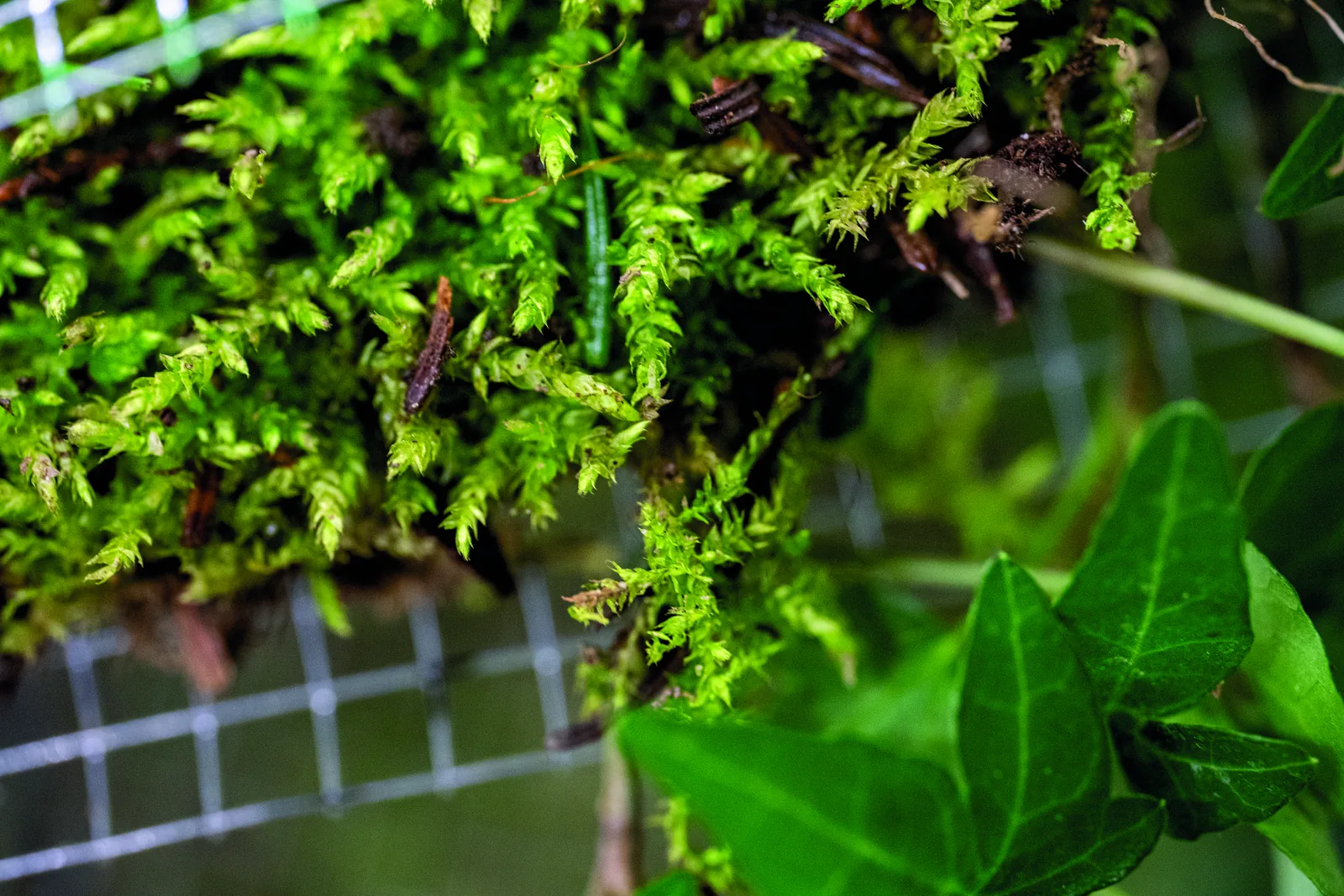
A wooden frame with moss, soil and seeds. Plants get room to grow in the bathroom – over weeks, captured as a time-lapse.
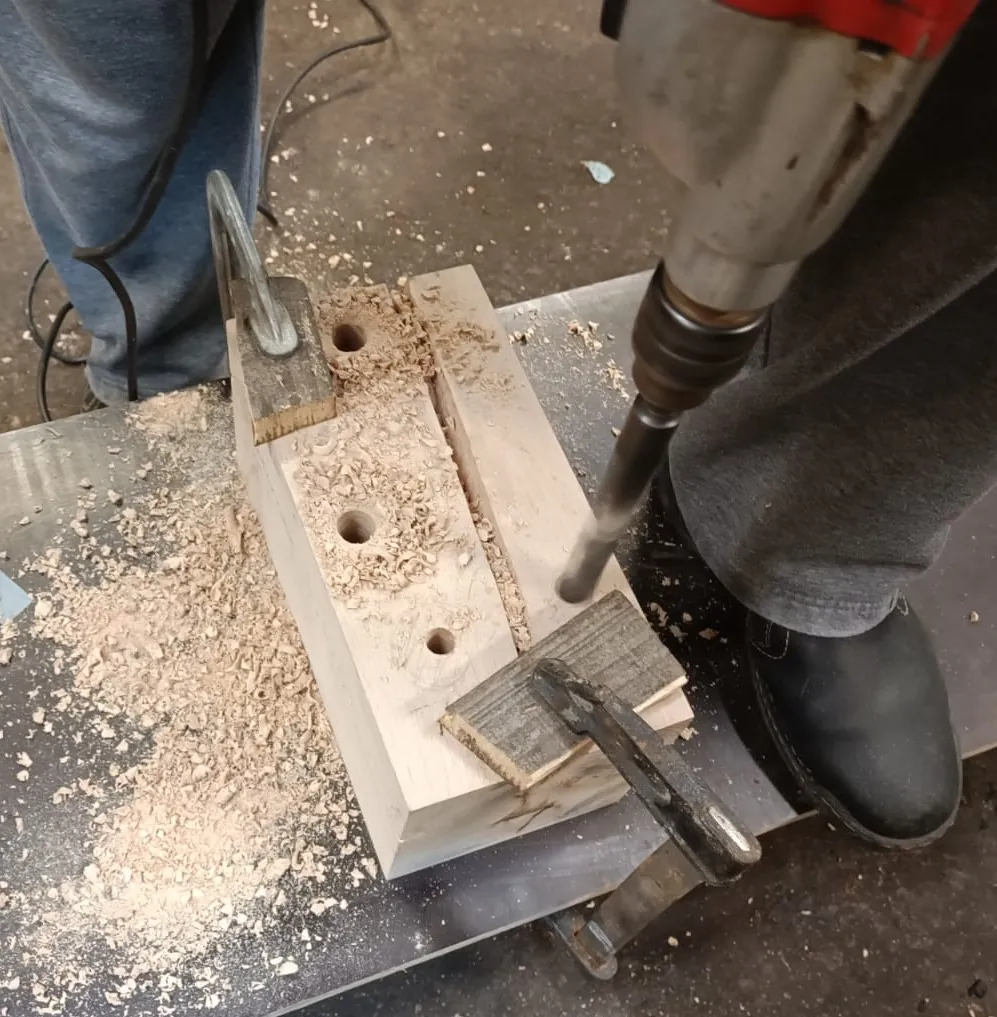
Drilled, lasered, printed.
A universal space for the most personal place.
Catharina Bierl, Christian Frey, Gina-Maria Gioia, Timo Holzmann, Lucilia Metzer, Andreas Outos, Bastian Rögele, Oliver Schunn, Lisa Schwabe, Dorian Spiegelhauer.
Photos: Bastian Rögele and Dorian Spiegelhauer (TH Augsburg), SICHTRAUM 24, Hybrid Things Lab, the team and my own. All rights to third-party photos and films remain with their authors. On request I'll remove any image right away – a short message via contact is enough.